
Financial Regulators
Table of Contents

Author: Artiom Pucinskij

Editor: Keith Hodges
We only list companies that are trustworthy and appropriately licensed. Our aim is to give you a comprehensive view of the regulated money transfer marketplace.
DisclosureMoneyTransfers aims to help users find the best money transfer provider for their needs. To support our free service, we may earn a commission from some of the providers listed in our search results. The commission may also impact the ordering of the providers shown. Our reviews are independent from this and are based on our editorial policy, research and testing of dozens of remittance providers on the market.
Table of Contents
Regulators are like referees who make sure banks and financial companies play by the rules.
International wire transfer regulations or "rules" can be different depending on which country you're in.
Each regulator makes sure that the laws and rules for international transfers are followed in their area.

Money Transfer Scams
Online wiring is a convenient service that allows quick and easy transfers of money. However, this convenience is exactly the thing that makes it so popular with swindlers. With just a few clicks the money disappears from one account and appears in another, irreversibly.

Sending Money Abroad
Ideal for sending money internationally, money transfer services have made huge strides in the past couple of decades to make sending your money abroad cheaper, faster, and easier than ever.

Money Transfer Reviews
You have a wide choice of service providers when making an international money transfer.
SEC
The U.S. Securities and Exchange Commission (SEC) is an organization set up by the United States government in response to the Wall Street Crash in 1929. The SEC mission statement explains how the organization was created to “protect investors; maintain fair, orderly, and efficient markets; and facilitate capital formation.” The Securities Exchange Act of 1934 was created as a result of the Great Crash of 1929, designed to govern securities transactions on the secondary market (or aftermarket): this led to the creation of the SEC.
Founded on June 6th of 1934 in Washington, DC, United States, the headquarters remain located in The Capitol. Government official Gary Gensler was nominated to be the Executive Chairman of the SEC in February 2021, by President Joe Biden.
SEC has the power to bring civil action against people breaking the laws it is responsible for overseeing, as well as working on criminal cases in collaboration with the US Justice Department. The financial markets and entities the SEC is responsible for include investment funds, investment advisors, dealers, brokerage firms, and securities exchanges.
In 2021 the SEC was responsible for obtaining judgments for almost $2.4 billion USD in disgorgement (repayment of illegal or unethical profits) and $1.4 billion in penalties.
What is the SEC responsible for?
The responsibilities of the Security and Exchange Commission are divided into the following five divisions:
Division of Corporation Finance
This division is responsible for the oversight of registered companies that offer securities to the public. It serves as a regulatory watchdog and will follow up on incorrect fillings. Firms will need to amend their practices when rules are not followed or they face sanctions. Overall, the Division of Corporation Finance improves the efficiency, trustworthiness, and transparency of US securities markets.
Division of Enforcement
It is best to think of the Division of Enforcement as the policing division of the SEC. They have the power to bring civil action against entities that violate the law and recommend criminal charges for the Department of Justice to follow up on. Some of the top violations that this division handles regularly include securities offerings, broker-dealer misconduct, insider trading, investment advisory issues, market price manipulation, foreign bribery, accounting violations, and issuer disclosure.
Division of Investment Management
This division oversees investment advisers, securities research analysts, professional fund managers, and investment funds. Their core mission statement is to protect retail investors from abuse and fraud within the investment industry. The division also helps industry professionals with complicated regulations to help them comply with the laws.
Division of Economic and Risk Analysis
This division helps the others by incorporating data analytics and economics. It helps analyze potential foul play and improves the inner workings of the SEC by monitoring trends and new technologies. It also works with outside academics and technology companies to continually modernize the SEC.
Division of Trading and Markets
The Division of Trading and Markets maintains the members of securities markets, which include transfer agents, self-regulatory agencies, and broker-dealers. It creates and enforces fair standards for all to follow for the stability of the markets.
Why is the SEC important?
The U.S. Securities and Exchange Commission plays an important role in maintaining securities markets. The organization was created in response to the Wall Street Crash of 1929, which means it was created with the ethos of avoiding such events in the future.
SEC provides the necessary confidence in the stock market for it to be healthy and active. Investors can buy and sell stock without the fear of being scammed, manipulated, or losing their money without anyone to turn to for help.
You may have noticed that securities cases make news regularly. That is because the SEC works hard on cases daily that indicate foul play. Financial crimes are serious and significant breaches can result in jail time. SEC works with the Department of Justice to help bring justice to parties that have lost money because of lawbreakers.
If the general public did not trust the stock market, then investors would not have the same opportunities to make money. If you have transferred money to a broker to invest in the stock market, then you can rely on the SEC to ensure that the broker will not take advantage of you.
The Security and Exchange Commission is responsible for maintaining the US stock market, which means that it is limited to the United States. The U.S. Securities and Exchange Commission has offices in the following regions:
Atlanta
Boston
Chicago
Denver
Fort Worth
Los Angeles
Miami
New York
Philadelphia
Salt Lake
San Francisco
FRB
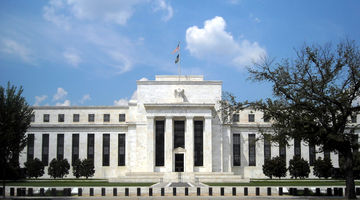
The Federal Reserve Board (FRB), also known as the Board of Governors of the Federal Reserve System, is the governing body in charge of the United States Federal Reserve System. The board is responsible for maintaining the order of America’s central bank; most countries have similar organizations in place to monitor a nation’s financial system.
President Woodrow Wilson signed the Federal Reserve Act of 1913, thus creating the system which remains in operation today. The FRB follows The Banking Act of 1935 which sets reserve requirements and interest rates for deposits at each member bank. The Board is tasked with maintaining “fair representation of the financial, agricultural, industrial, and commercial interests and geographical divisions of the country.”
The FRB is made up of seven members, all of whom are appointed by the U.S. Congress. Each member is asked to serve a term of 14 years, but in practice, some may serve for shorter or longer periods of time. The Board of Governors is made up of a mix of Republicans and Democrats in a bid to ensure a balanced political perspective.
What is the FRB Responsible for?
The Federal Reserve System
Their main responsibility is to look after the functioning of the Federal Reserve System. For the purpose of public financial health and the US economy, the Federal Reserve System requires constant optimization to meet modern demands.
Monetary Policy
The role of monetary policy includes creating stable prices in the US and promoting maximum employment.
Collaboration
The FRB collaborates with other financial organizations, which includes the Federal Open Market Committee and Federal Reserve Banks.
Improvement of Financial System Stability
The Governors of the FRB monitor US financial systems in terms of risk and look for ways to reduce problems by mitigating risk. Risk is assessed at the business, community, and household levels.
Regulation and supervision
The FRB regulates and supervises financial institutions to ensure they act in a way that is healthy for the US economy.
Payment system
The assessment and promotion of safe payment systems. This point is relevant for international money transfer customers.
Consumer protection and community development.
The FDR researches policies and practices to find the best solutions for consumers.
Why is the FRB Important?
The Federal Reserve Board sits at the center of the US financial systems regulatory framework. They are responsible for the functioning of other regulatory bodies, which means that if there is corruption and bad practices here, then it is likely to creep into other vital government organizations.
The FRB is responsible for the US central bank, which is important for ensuring financial and economic stability. Low inflation rates and risk-free policies are at the heart of what the central bank aims to achieve.
The FRB is important for international money transfer customers because it also oversees money transfer companies. The secure and risk-free practices of money transfer methods are a big advantage for customers who want peace of mind.
The FRB is in charge of the US financial system. It also contributes to the regulation of foreign banks or companies that want to do business in the US. The FRB has 12 regional offices. One of them is in San Francisco, while the other 11 are spread out across the US.
OTS
The Office of Thrift Supervision (OTS) was created in 1989 in response to the savings and loans crisis of the 1980s. Speaking on the subject of the newly established OTS, reigning President George H. W. Bush said: “Never again will America allow any insured institution to operate normally if owners lack sufficient tangible capital to protect depositors and taxpayers alike.”
The Office of Thrift Supervision was an official federal agency under the United States Department of the Treasury. Initially, the OTS had an active and aggressive approach, but this dwindled as a result of the decrease in revenue and staff numbers. The OTS received funding from banks and other US federal bank regulators.
On the 21st of July 2011, OTS was dissolved because of being implicated in backdating scandals regarding the balance sheet of IndyMac. However, the work the OTS did was important so it was merged with other existing US regulators, such as The Office of the Comptroller of the Currency, the Consumer Financial Protection Bureau, the Federal Deposit Insurance Corporation, and the Federal Reserve Board.
What Was the Office of Thrift Supervision Responsible for?
In this section, we will outline the main responsibilities of OTS. We explain how OTS helps contribute to a safe banking system and how it might affect international money transfer customers. Keep in mind that the OTS is no longer operating, which means these responsibilities were inherited by the regulators it was merged into. The main duties of the OTS included:
Supervising thrift institutions and holding companies
It provided consolidated supervision for high-profile firms such as Merrill Lynch, Morgan Stanley, American Express, Ameriprise Financial, AIG Inc., and General Electric.
Overseeing the Federal Savings Associations
This included the Federal Savings and Loans and Federal Savings Banks associations.
Enforcing regulations
Enforcing regulations to state-chartered and federal thrift organizations to operate in a financially sound manner.
Why Was the Office of Thrift Supervision Important?
The OTS was important because confidence in the financial system was shaken as savings and loan institutions began taking bigger risks. It resulted in such organizations not having enough money to pay out depositors, which meant people would lose money if they went bankrupt. The OTS was formed to audit organizations and enforce rules to use sound financial principles to manage their books.
Organizations that were seen as corrupt or not following the rules would be forced to close down. This saves the general public from depositing money with organizations that could lose their funds. The OTS served an important regulatory role for a specific segment of the US financial system. International money transfer customers who send money to thrift banks are now protected because of tighter regulations.
The OTS was a United States government entity, which means it is limited to regulatory activity within the US. US financial organizations and foreign entities offering services in the US fall under the jurisdiction of the OTS. Every organization operating in the US has to follow US law. This means OTS had the right to enforce rules and audit any organization taking part in the US financial system.
OCC
The Office of the Comptroller of the Currency (OCC) is an independent bureau within the United States Department of the Treasury that examines the conditions of banks and financial institutions that operate across the country. The federal agency was established by The National Currency Act of 1863: their mission is to supervise, regulate, and charter agencies of foreign banks in the US, federal branches, federally chartered savings associations, and national banks. Due to the various supervisory duties of the OCC, international money transfer customers may encounter the organization when sending money abroad.
Unlike other financial regulators in the United States - such as The Federal Deposit Insurance Corporation (FDIC) - the OCC does not receive funding from Congress. Instead, funds are secured from federal savings associations and national banks. These financial institutions fund the OCC, who in turn, process corporate applications and examinations. Other funding is secured from investment income and US Treasury securities make up the majority of this revenue stream.
The Comptroller of Currency is a Senate-appointed individual who chairs the office for a 5-year term. At the time of writing the Acting Comptroller of Currency is Michael J. Hsu, who was appointed in May 2021, by Secretary of the Treasury Janet Yellen.
Headquartered in Washington, DC, the OCC has 4 districts located in New York, Denver, Dallas, and Chicago, with a further 92 locations across the United States.
What is the Office of the Comptroller of the Currency Responsible for?
This section will outline the main responsibilities of the OCC, as we explain how the independent bureau helps charter the US financial system and international transfers sent to and from the country.
Duties overseen by the OCC include:
Ensuring customers are protected from fraudulent banking practices
Ensuring consumers have equal and fair access to banking services
Issuing penalties to any banks that do not adhere to the regulations and laws
Monitoring banks and identifying illicit or unsafe practices that threaten to destabilize the financial sector or put consumer money at risk
Evaluating new bank branch and bank charter applications to ensure they meet the requirements of United States law.
Examining corporate structure to ensure banks are in the best position to follow all governing rules
Visiting bank headquarters and branches, to perform audits that determine if customer funds are at risk
Providing various frameworks for banks to follow
Working with member banks to help navigate regulations and follow applicable guidelines
The OCC is a core financial regulator with a vast workload that includes supervising 1,109 banks with a total value of $15.1 trillion. This money makes up approximately 65% of the overall US commercial banking sector.
Furthermore, there are 2,352 OCC examiners and their budget for 2022 is $1.154B. They are one of the key regulators for safeguarding the funds of money transfer clients that use the US banking system.
Why is the Office of the Comptroller of the Currency Important?
The OCC plays a crucial role in the approval of new bank branches and charters around the US. The Office has the power to change banking structures and the way capital is moved between banking corporations, as well as the ability to take measures to discipline banks through fines and penalties, to ensure unwavering compliance.
Furthermore, the OCC has the authority to forcefully remove directors and chief officers from their positions, albeit for breaking regulations or rules or failing to operate in a satisfactory way. This allows the OCC to act with discretion, targeting specific individuals that may be involved, instead of going after an entire bank, which could do more harm than good for the US economy overall.
The OCC covers banks, credit unions, and other financial enterprises across the United States of America. As a federal agency organization, the OCC is limited to monitoring the operations of US banks. However, this includes all domestic US banks and foreign banks operating in the country.
No bank is excluded from its regulations and rules. New bank charters and bank branch openings in the US have to be approved by the OCC. This ensures that the US banking system maintains consistency and is built on a solid foundation.
NCUA
The National Credit Union Administration is a government-backed organization that insures credit unions and financial institutions that accept deposits. This includes money transfer companies like TorFX, Wise, and WorldRemit.
They were formed on March 10th, 1970, and the headquarters are in Alexandria, Virginia. Based on 2020 data, they have 1,149 employees and an annual budget of $316.8 million. The Chairman is Todd M. Harper, and the agency preceding this one is the Bureau of Federal Credit Unions.
The NCUA is governed by a three-member board, confirmed by the Senate and appointed by the President of the United States. Board members typically stay in positions for six years until the next ones are sworn in.
What Are the Responsibilities of the NCUA?
This section covers the primary responsibilities of the NCUA so you can better understand their role in the US economy. In addition, consumers of money transfer companies can learn why this organization might be relevant to them. Responsibilities of the NCUA:
Regulation
The NCUA monitors the credit unions in the United States to ensure they follow the regulations. This ensures that credit unions are not taking part in financial malpractice and taking advantage of their members.
Insurance
The NCUA provides insurance of up to 250,000 to thousands of members of credit unions. This ensures the money they have deposited with the credit union is safe. The insurance is similar to how depositors at federally-backed banks and other financial institutions have their money insured.
Analysis
The professionals working at the NCUA compile and analyze data on various aspects of credit union activity. This includes merger activity, changes in how they handle memberships, and broader economic trends that might impact credit unions.
Support
The NCUA offers support services to members of the credit union system. This includes grants and loans, training, field-of-membership services, and chartering. Also, they provide emergency liquidity, help manage the assets of failed credit unions and maintain the stability and health of the Share Insurance Fund.
Consumers
The NCUA works hard to protect consumers and credit union members. They do this by raising awareness of potential fraud and educating on how to choose the best services for their needs.
The NCUA also regularly provides news updates relating to credit unions. You can learn more about what new regulations or rules are in place through press releases, speeches, email newsletters, and conferences.
The Importance of the NCUA
Now let us turn our attention to why the NCUA is a critical organization. This will allow you to understand better why they are an integral part of the US financial markets. Therefore, consumers of money transfer companies that are also part of a credit union can have peace of mind.
Trust: The NCUA promotes trust in credit unions, which means its members will be more willing to use their financial services. Consequently, this supports activity in the US economy, which means it can continue flourishing.
Protects Consumers: The insurance of up to $250,000 for credit union members provides a much-needed safety blanket in case a credit union goes bankrupt. This means the destructive financial practices of a credit union will not wipe out the savings of regular consumers.
Hold Credit Unions Accountable: The regulations and monitoring work done by the NCUA ensure that credit unions behave appropriately in the financial markets and offer honest service to their members. When credit unions step out of line, the NCUA will likely notice it and then discipline the organization in question.
In one case study, the NCUA fined six federally insured credit unions for late call reports. The credit unions filed their Q4 2018 call reports after the deadline. The penalty's size depends on the delay's length and CU’s asset size.
NCUA Regulations
This section covers the regulations, crimes, and industries that the NCUA covers. Therefore, at a glance, you can get an idea of the scope and limitations of the NCUA.
Regulations: The Federal Credit Union Act is the source of the authority under which the NCUA operates. All federally chartered credit unions have to adhere to the rules and terms of the act. Additionally, the NCUA has rules and regulations that must be followed, and the general public can submit proposals for the organizations to consider.
Crimes: The NCUA does not deal with crimes like money laundering. Instead, they only look for instances where federally insured credit unions are not following the Federal Credit Union Act or its rules. When these rules are not followed, then fines are handed out.
Industries: The NCUA is limited to credit unions that are federally insured. They do not oversee other financial institutions, so their scope is limited. However, this focus allows them to do a great job of ensuring credit unions provide a fair service to their members and are held accountable.
Accountability: The NCUA is accountable to the Government of the United States and the general public that uses credit unions.
The NCUA only covers the credit unions operating in the United States. This includes all 50 states. The data analyst monitors international economic trends to understand what changes might occur in the United States. This allows the NCUA to provide the best oversight when creating new rules.
FINRA

FINRA is a private self-regulatory organization which means that it is a non-government entity, unlike other regulators such as the FDIC. FINRA receives its power from the Securities and Exchange Commission, and one of its core rules is that brokers must be members of FINRA. This means brokers must pass the required exams and adhere to FINRA rules. Although it is not illegal to break FINRA rules, losing membership means you will be breaking the law if you continue working as a broker.
FINRA was founded in 2007 to create rules for broker-dealer firms and registered brokers. It is responsible for overseeing 625,000 registered securities representatives, 154,000 branch offices, and 3,500 brokerage firms.
FINRA headquarters are in Washington, D.C, United States and Robert W. Cook is the President & CEO. The organization employs over 3,000 employees that work across 20 offices in the United States. FINRA is not funded by taxpayer money, instead, member fees and fines are the revenue source of this organization.
What is FINRA Responsible for?
Here we will provide an overview of FINRA’s core responsibilities and how these duties influence the world of finance.
Create Rules and Guidance
Brokers deal directly with the public and handle their finances when making trades. For this reason, FINRA is able to play an important role by overseeing and employing certain codes of conduct to keep investors and their investments safe. The organization strives to “protect investors and ensure the integrity of today’s rapidly evolving market.” Without the rules, there would be no structure to hold brokers accountable for their actions making it easy for them to scam investors or lose money due to poor practices. FINRA inspires confidence in the financial system so investors are able to trust brokers to do their job by the book.
One way FINRA ensures rules are followed is by carrying out audits and follow-up reports of any rule-breaking. Both individual brokers and small to large firms are held accountable for their actions if they wish to remain a member.
Anti Money Laundering (AML)
Another of FINRA’s core responsibilities is ensuring members adhere to their Anti Money Laundering (AML) rules as per the Bank Secrecy Act of 1970. If these rules are broken, members will have a lot to lose. FINRA has created a framework for companies to follow - FINRA Rule 3310 - and this depicts the minimum expectations of FINRA’s AML compliance program.
Fines and Penalties
FINRA is responsible for issuing penalties in cases where the organization detects members who have broken a rule. In 2017 FINRA took disciplinary action against 1,369 cases which resulted in fines that totaled $64.89 million. This resulted in investors receiving a total of $66.8 million in restored funds.
Cases that FINRA is not equipped to deal with are referred to other agencies, such as the Securities and Exchange Commission. These reference cases may occur when FINRA feels like the law is being broken, with Government organizations like the SEC stepping in as law enforcement.
Why is FINRA Important?
FINRA is a valued regulatory organization that protects investors in both domestic and international financial scenarios. The organization guarantees financial stability for investors who want to use a broker by screening each individual or firm and checking if the investor’s money will not be used for money laundering or any other illicit activities.
Incompetent brokers and firms are typically discovered through testing and struck off to ensure that only law-abiding brokers hold FINRA membership. Prior to FINRA the investment landscape was more of a free-for-all and many investors ended up disappointed and in debt as a result of scams or poor broker practices.
Holding a FINRA membership is a legal requirement of being a broker as stated by the SEC. If you are offering brokerage services without a valid FINRA membership you are breaking the law in the United States.
The Financial Industry Regulatory Authority governs brokers in the United States only. The FINRA committees are organized into regions which include West, Midwest, South, and North. Brokers and organizations outside of the United States are not required to attain membership to offer their services to the public.
FinCEN
The Financial Crimes Enforcement Network is a United States Department of the Treasury bureau that fights domestic and international terrorist financing, money laundering, and other financial crimes. They do this by collecting and analyzing information about financial transactions.
The headquarters of FinCEN is in Vienna, Virginia, and the agency executive is Ken Blanco. They have an annual budget of $114.2 million based on 2018 data. Also, the agency was formed on April 25th, 1990.
FinCEN comprises three parts: the financial services community, the regulatory community, and law-enforcement agencies. Furthermore, FinCEN is the US representative in the Egmont Group, which consists of 100 intelligence agencies. In the next section, we will share their top responsibilities to get a better idea of their vital work in promoting the health of the US economy.
What Is the FinCEN Responsible for?
This section highlights the primary responsibilities of FinCEN. This allows consumers of money transfer companies to understand better how their work will impact the experience of sending money to the United States. You will see that FinCEN is a valuable cog in the US economy that contributes to the fair nature of the financial markets. Top responsibilities of FinCEN:
Stop Crimes
FinCEN does not track financial transactions to prevent and punish financial transactions, including money laundering. Instead, the organization works with other regulators to cooperate on information to track down individuals who are flagged for wrongdoing.
Tracks Suspicious Individuals
Financial institutions must provide mandatory disclosures of suspicious individuals. FinCEN investigates these reports and researches the individuals flagged for suspicious activity.
Congress
FinCEN gets its orders from Congress, and the Treasury Secretary appoints the director.
Cybersecurity
Part of FinCEN's responsibilities includes reducing the number of successful cybersecurity events. For example, they are cracking down on ransomware attacks that lock users out of their computers until a ransom is paid. Cybersecurity has become one of the biggest problems in the financial service industry in recent years.
Financial crimes typically leave a trail. Following this trail is the job of FinCEN to ensure they can find the suspects of wrongdoing in the US financial markets. Unfortunately, this process can take a long time, depending on the sophistication of the strategy used by the criminals. Therefore, sharing information with other regulators, law enforcement agencies, and partners helps reduce the time required to find bad actors.
The Importance of FinCEN
Now let us take a closer look at why FinCEN is a critical organization. This enables you to determine why they are among the top most vital government-backed organizations in the United States. This information is relevant to consumers of money transfer companies who want to understand better what security mechanisms are in place in the US economy.
Trust: FinCEN's work promotes consumer trust in the US economy. By reducing the number of criminal activity in the financial markets, users can have more confidence that the financial service companies they use will not get shut down because of malpractice.
Growth: as more people trust the economy, they are more willing to use the financial service and deposit money. This drives the economy forward and promotes growth. Without trust, economic activity would slow down and cause financial institutions to reduce the quality of the service they can offer.
Reduces Crime: increasing the difficulty with which criminals can launder money and pursue other financial crimes reduces overall crime in the US. Those criminals will need to go elsewhere to find the loopholes they need to operate.
An example of FinCEN in action is when they announced a $140 million civil money penalty against USAA Federal Savings Bank for Bank Secrecy Act violations. The bank in question failed to implement the correct anti-money laundering countermeasures, and they did not share timely information about a large number of suspicious transactions.
FinCEN Regulations
This section shares the regulations, crimes, and industries relevant to FinCEN. This enables consumers of money transfer companies to figure out how FinCEN impacts their experience. You can also learn about their scope and limitations.
Regulations: FinCEN operates under various regulations, including the Bank Secrecy Act of 1970. The act was created to prevent criminals from using financial institutions as tools to launder money. The rules and regulations of FinCEN update over time to meet the challenges of constantly changing technology. For example, as cybersecurity has become more of a threat, the resources spent to prevent this fraud have increased.
Crimes: FinCEN deals with a wide range of financial crimes, which include money laundering, cyber security, narcotics trafficking, identity theft, tax evasion, and much more. They collaborate with other US regulators, so they assist in almost every type of crime that is committed.
Industries: FinCEN mainly deals with financial institutions, but their work might overlap with other sectors as they collaborate with different regulators. Bank and money transfer companies like Wise, WorldRemit, and Xe are among the responsibilities of FinCEN.
Accountability: FinCEN is accountable to Congress and the United States Government. They have to provide reports to Congress, and Government organizations decide on the director of the organizations.
FinCEN mainly covers the US economy's financial institutions, but they also work with international partners to provide and receive intelligence. This means they operate globally to ensure the US economy is protected from bad actors abroad.
They additionally oversee international money transfer companies that operate in the US. Therefore, if bad actors use your transfer provider of choice, the FinCEN will step in and finance the individual or company in question.
FED
The Federal Reserve System is the United States central bank responsible for ensuring that the economy remains stable during turbulent times. Experts believe that the organization is the most influential financial institution in the world, which means their actions will have a profound effect on consumers of money transfer companies.
The FED has a board that is made up of 7 members. Also, there are 12 federal reserve banks, each with its own district. Their primary duties involve providing banking services, ensuring the US economy is stable, and regulating monetary policy. Keep reading to learn more about the details of their responsibilities.
The organization was founded in 1913, which makes them one of the oldest financial institutions in the US. Their current bank rate is 2.5%, and the interest rate target is 2.25-2.5%. Their jurisdiction is the United States, and the child agency is the Federal Open Market Committee.
What Is the FED Responsible for?
This section is an overview of the responsibilities of the FED. This explains why they are a big deal for regulating the US economy. Understanding the important work of the FED will give you peace of mind when sending money to the United States. Here are the top responsibilities of the FED:
Manage the US’s Money Supply
Through monetary policy, the FED managed the nation’s money supply. Their goals include preventing inflation and deflation spikes, promoting stable prices, increasing employment, and maintaining moderate long-term interest rates. However, their goals can sometimes be in direct conflict, which is one of the reasons why they have a tough job.
Strike a Balance
The FED has to strike the right balance in acting as a centralized arm of the government and working in the interests of private banks. They do this by supervising and regulating banking institutions to protect the rights of consumers.
Maintains Stability
The FED has to ensure that the US economy is not too volatile or has a systemic risk that results in cascading adverse effects. However, international factors can make this task difficult.
Financial Services for Depositor Institutions
They maintain the nation’s payment system, facilitate the exchange of money between regions and respond to local liquidity needs.
World Economy
This organization is responsible for improving the standing of the US in the world economy. This involves ensuring that the USD has the best currency conversion rates with other currencies and remains the world's dominant currency.
What Is the Importance of the FED
These macro-level reasons show how they help the US economy and provide peace of mind for money transfer consumers. The importance of the FED:
Improves Trust: investors and consumers of financial services in the US economy need to have faith that their money will not be lost. The work completed by the FED ensures that everyone can remain invested in the economy and continue keeping it healthy.
Reduces the Chance of Bankruptcies: by ensuring that inflation does not get out of control, the FED tries to keep prices stable so businesses can afford to continue turning a profit.
Reduces the Chances of Fraud: the regulatory activity that the FED does to oversee banks ensures that consumers are not scammed or tricked. In addition, regulations aim to ensure that fair financial practices are offered by banks and money transfer companies.
Fairness: in principle, the FED is a fair organization that creates a good framework for private banks and consumers that use their financial services. Otherwise, the US economy would be a free-for-all that would lead to problems.
An example of the Federal Reserve Board in action is when they fined Goldman Sachs Group, Inc $154 million. The fine was for failing to maintain the proper oversight, risk management, and internal controls regarding 1Malasyia Development Berhad.
FED Regulations
Now let us take a closer look at the relevant regulations, crimes, and industries relating to the FED. This provides the scope and limitations of the FED at a glance. Therefore, money transfer customers can learn how the FED contributes to the quality of their experience.
Regulations: The Federal Reserve is responsible for regulating private banks. The philosophy for how the FED does this ensures a balance between government regulations and privatization. The Federal Banking Agency Audit Act is the relevant regulation that the FED uses to oversee the financial system.
Crimes: The FED can reduce the chances of crimes by maintaining macro-level decisions. For instance, they can block routes or loopholes for bad actors that want to launder money. However, they are not involved in the day-to-day investigating and stopping of minor financial crimes.
Industries: The FED is responsible for the financial-related industries – especially banks and companies that allow consumers to deposit money. The FED will regulate any entity that meets these criteria and is within the United States.
Accountability: The FED is accountable to the public and Congress. Twice every year, the FED must submit a Monetary Policy Report to Congress, and the chair and Board of Governors must testify.
The FED is responsible for the US economy, so the United States is the only country in which they regulate policy and companies. This includes all 50 states, and how it regulates banks in each one might differ based on the local laws. Also, the FED might interact with international organizations to ensure they can complete their domestic duties. Cooperation and collaboration ensure that managing the US economy is more viable during turbulent times.
FDIC
%20logo.png)
The FDIC was created in 1933 in response to a wave of bank failures. It is an independent federal agency insuring deposits in the US and as of 2020, insuring deposits of up to $250,000 with affiliated banks. The organization was established by the US Congress to help stabilize the US economy and boost national and international confidence in the banking system.
The FDIC employs more than 5,000 professionals across multiple US-based offices, with an annual budget of $2.2 billion. Up until early 2022 Trump-appointed Jelena McWilliams was the head of the organisation, but has since resigned due to issues with other directors on the board. The FDIC head offices are in Washington, D.C, with other regional offices in Atlanta, Boston, Chicago, Dallas, Kansas City, New York and San Francisco.
The FDIC Board of Directors is made up of 5 members, 3 of which are appointed by the President, and 2 appointed by the United States Senate. As a rule, only 3 members of the board are allowed to have the same political affiliation. The structure of the organization is created to provide an unbiased approach to overseeing the US banking industry.
Member banks are the primary source of funding for the FDIC, as opposed to public funding.Furthermore, to offer stability, the FDIC has a line of credit from the United States Treasury Department that is $100 billion.
What is the Federal Deposit Insurance Corporation responsible for?
In this section we will elaborate on how the FDIC helps to protect customers through their affiliation with member banks. Customers making international money transfers to or from the US will benefit from the following FDIC jurisdiction.
Protection Against Bank Failure
When a bank is not managed correctly or, due to unforeseen financial circumstances, goes bankrupt, instability in the financial system is created. The process also leaves bank customers with no access to their funds. The FDIC was created to offer depositors help, in the form of insurance, if a bank fails. Further to this, the organization defaults to official spokesperson in cases where depositors need information following a bank's closure.
In the event of a bank failure the FDIC may distribute customer assets with another member bank that is financially healthy. However, if this is not possible, the FDIC will pay out the funds directly to customers.
The Federal Deposit Insurance Corporation Covers:
Checking accounts
Savings accounts
Money market deposit accounts
Time deposits, such as CDs
Negotiable Order of Withdrawal (NOW) accounts
Bank-issued cashier’s checks and money orders
The Federal Deposit Insurance Corporation Does Not Cover:
Stocks and bonds
Mutual funds
Insurance policies
Annuities
Federal or municipal securities
Safe deposit boxes or their contents
Furthermore, the FDIC is not responsible for cybercrime and fraud. Depositors should seek help from separate insurance providers for such losses. It is important to understand what is covered in case any unfortunate financial events take place.
Covers $250,000 in Deposits
In 1934 the depositor insurance limit was $5,000 per account but this limit was raised to $100,000 in 1980. Eventually this limit was deemed too low so, in 2010, it was permanently increased to $250,000.
As it stands, the FDIC covers deposits of $250,000 up to 6 times for a depositor with up to 6 different bank accounts. These include the following types of accounts:
Single accounts
Certain retirement accounts
Joint accounts
Revocable trust accounts
Irrevocable trust accounts
Employee benefit plan accounts
Unincorporated association or partnership
Corporation accounts
Government accounts
However, the depositor will only have coverage of up to 2 accounts per bank. Therefore, in total, each depositor may receive insurance for up to $1,500,000 depending on how their finances are spread out and the type of accounts held.
Educating the Public
The FDIC provides educational material to help consumers better understand money and any potential risks facing US banking systems, with a view to arm the general public with a basic understanding of how banks work and manage money. This typically covers the following 3 areas:
Helps customers find out if their bank is a member of the FDIC Insured network
Providing a calculator that helps account holders estimate the amount of money insured: this tool allows for the running of various scenarios to determine what amount customers receive in the event of bank closure
Providing links to non-profit and government organizations that offer assistance with areas such as credit reports, cybersecurity and basic personal finance
Informing consumers
Finally the FDIC is responsible for informing consumers of any previous banks that have failed. Learning about the history of bank failures is a reliable way of understanding threats and vulnerabilities of the US banking system.
Why is the Federal Deposit Insurance Corporation Needed?
The FDIC is important because it can prevent and remedy great loss of funds. Bank customers are generally not aware of what is going on behind the scenes: their chosen financial institution may appear to be doing well financially but in reality, preparing to close its doors due to poor management. The FDIC offers banking customers peace of mind, by ensuring their money is insured no matter what happens to the bank. For this reason, FDIC Insured banks are safe to use for international money transfers as funds are protected.
One area the FDIC helps with is consumer confidence in a bank, which can lead to a healthier national banking system. Customers do not need to withdraw cash at the first sign of trouble if they are insured by the FDIC.
The FDIC is a US government organization and therefore covers banks in the United States only. This being said, not all US banks are covered by the FDIC, since the insurance is limited to 5,100 member banks.
Therefore, customers that do not have a US bank account or do not plan to use one for international money transfers, will not benefit from depositor insurance provided by the FDIC.
We urge readers to consider using one of the member banks that are covered by the FDIC if you plan on executing large transfers in and out of the US.
FCA
The Financial Conduct Authority (FCA) is a UK financial regulatory body responsible for overseeing and regulating the UK financial markets. Founded on 1st April 2013, the FCA acts independently of the UK government and was established as a result of major changes to the Financial Services and Markets Act 2000 which was amended in 2012. The changes increased the severity of regulations and the FCA were employed to enforce stricter guidelines and penalties.
The jurisdiction of the FCA covers the United Kingdom only, with headquarters based in London. Working alongside the Financial Policy Committee and Prudential Regulation Authority, the FCA is responsible for overseeing 58,000+ businesses with yearly tax revenue of £65.6 billion and staff of more than 2.2 million people.
What is the FCA Responsible for?
This section explains the responsibilities of the FCA, to help our readers gain a better understanding of how the organisation safeguards the UK financial sector. The core duties of this financial regulator can be broken down into the following categories:
Protecting Consumers
This category is the most applicable to money transfer customers. The FCA monitors the running of consumer investments, pensions, savings, loans, credit cards, mortgages and bank accounts. The regulatory body ensures that customers are treated fairly, the relevant services are delivered and customer protection is placed above profitability.
The FCA monitors the practises and standards of a money transfer company or bank before it is accepted. This ensures that only vetted companies are approved, so consumers can have peace of mind.
Supervision
The FCA supervises the firms they have approved to ensure they continue to meet the highest of standards. Part of the supervision process involves learning the intricacies of how each company operates. This includes understanding the latest technologies and features offered to consumers.
Information is sourced from different places, which includes consumer organisations, consumer feedback, trade associations and other regulatory organisations. Whistleblowers and MPs have also had their fair share of contributions over the years too.
Enforcement
The enforcement arm of the FCA makes it clear that there are consequences for breaking the rules. The FCA has powers to take a wide range of actions, which it can choose between based on the situation. The actions they take can include:
Issue warnings to individuals and firms, and take down websites associated with rule barkers.
Criminal prosecution for offences such as false claims of FCA approval and insider trading.
Using the courts to apply for insolvency orders and injunctions.
Release public announcements that explain the disciplinary action and what other actions they will take.
Issuing fines against individuals and firms that break the rules.
Suspending firms and individuals that break the rules.
Removing the authorization of a company or individual to offer financial services.
Why is the FCA Important?
The FCA is important because they oversee most companies in the UK that offer financial services to regular citizens. They can prevent regular people from being a victim of scams or risky behaviour when sending and receiving money. The seal of approval from the FCA gives people peace of mind that a money transfer service has been vetted.
The FCA enhances the integrity of the UK’s financial markets, which gives foreign companies the confidence to come and invest. It allows the UK economy to grow because the finical sector is an important part of the entire pie. In fact, financial services contributed 8.6% of total economic output to the UK economy in 2020.
The FCA is only responsible for the firms and individuals operating in the UK. They also have powers over foreign firms that are operating in the UK. If customers are being serviced by financial services in the UK, then the FCA has powers to enforce the rules on that entity.
BOE
%20logo.png)
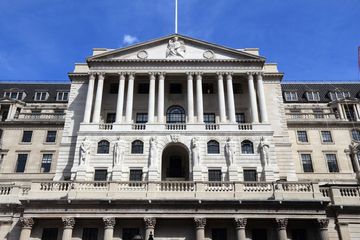
The Bank of England is the UK’s central bank, and around the world, other central banks have based their financial infrastructure model on this one. It was established in 1694 so that the bank could act as the English Government’s banker. It is the 8th oldest bank in the world and was nationalised in 1946 by the Attlee ministry.
The headquarters are in London, England, and the current Governor is Andrew Bailey. It has reserves of $101.59 billion, and it regulates the Pound Sterling currency.
The Bank of England is not a regular bank for consumers to use for depositing money, international transfers and receiving money from abroad. Instead, they are a central bank and regulator responsible for ensuring the UK’s economy runs smoothly.
What Is the Bank of England Responsible for?
This section takes a closer look at the responsibilities of the Bank of England. They are the most crucial entity in the UK’s economy since they make the critical decision regarding monetary policy. Understanding their responsibilities gives you a better idea of why you can trust the UK economy as a customer of money transfer companies. Bank of England responsibilities:
Monetary Policy
The BOE sets the monetary policy to make critical adjustments to the financial markets. For example, they can change the bank rate, which is the lending rate for commercial banks. At the time of writing, the bank rate is at 1.25%, but it usually sits at 1%. Overall, the BOE changes the monetary policy eight times per year.
Inflation Target
The inflation target rate is 2%, but at the time of writing, the rate is 9.1%. It is the responsibility of the Bank of England to reduce the high inflation rate so that it falls to the target level. They can do this through various financial mechanisms viable to them.
Issues Currency
The BOE is the financial entity responsible for issuing banknotes. Pound Sterling is the UK’s currency, and there are four denominations, which include £5, £10, £20 and £50. Recently, the size of denominations has decreased since the UK’s government wants to encourage people to use cashless forms of payment.
Regulates Banks
The Bank of England regulates the banks in the UK, which includes ensuring they comply with the relevant laws. This work promotes trust in the banking system so that consumers can feel confident about using banks.
Monetary Policy Committee
The Bank of England also has a Monetary Policy Committee that aims to ensure the annual inflation rate is stabilised to 2%. They meet several times per year to discuss what monetary policy suggestions they should give to the UK’s regulators that hold powers to make rule changes. The government’s target inflation rate is 2%, and when it deviates by more than 1%, the BOE has to provide a public explanation of what action is being taken quarterly.
What Is the Importance of the Bank of England?
Now let us turn our attention toward the importance of the BOE. This section highlights why money transfer customers should appreciate the work that BOE does in stabilising the economy.
Confidence in the Economy: The Bank of England promotes confidence in the UK’s economy by keeping it stable. Consumers can believe that their bank has the funds to pay out their deposits and provide the financial services advertised. Confidence in the economy contributes to more spending and investments, which is excellent for the financial markets.
Helps Facilitate Payments: Since the BOE is in charge of printing banknotes, they have the role of ensuring that people can pay for goods in person. They make sure that there are enough banknotes of all denominations. Also, the BOE updates the banknotes to reduce the chances of fraud through forgery. In fact, they recently released an updated version with crucial security features. These include a large see-through window, a portrait of the Queen with the numerical value of the note and twice around the edges of the note; you can read “Bank of England”.
Enforce Banking Regulation: The BOE monitors banks to ensure they comply with the regulation, which means consumers can have more confidence in financial services. Since high street banks are accountable to the BOE, customers know their bank is safe and sound.
Gold: The BOE has the vital task of looking after the gold reserves, which are around 400,000 gold bars. The gold mostly belongs to the central banks of other nations as the UK owns very little of its own.
A case study of the Bank of England enforcing banking practices involves the Metro Bank. They fined Metro Bank $7.13 million for failures in regulatory reporting due to an accounting error. The accusation was that an inaccurate picture of its regulatory capital was provided because incorrect risk weights were given. The offence took place between May 2016 and Jan 2019.
Bank of England Regulations
This section provides the key Bank of England information at a glance. You will learn about the relevant regulations, crimes they stop and industries they are involved in.
Regulations: the Financial Services Act of 2012 reformed the UK’s government financial regulation. Many of the new policies were a response to the 2008 global financial crisis, and it created the Financial Policy Committee.The Bank of England enforces its regulatory power through the Prudential Regulation Authority. They regulate all types of financial services, which include banks and money transfer companies.
Crimes: the Bank of England does not deal with crimes committed by the general public – other entities are responsible for dealing with such matters. Instead, they focus on instances where financial institutions do not follow the rules of the UK’s financial markets.
Industries: The BOE mainly deals with the financial sector. They act to enforce the regulations on financial services companies and banks. However, the monetary policies they make impact all industries in the UK.
Accountability: the Bank of England is accountable to the UK Government since they act as their banker. This means they have strong powers to make changes to the UK economy.
The bank of England is mainly there to oversee the UK economy and the financial institutions that operate in its markets. However, they also work with international financial institutions. For example, they hold the gold reserves of central banks from other countries.
PRA

The PRA is a regulatory body in the United Kingdom for the prudential regulation of financial entities, which requires them to have enough capital to manage risk. The type of financial institutions that it is charged to oversee includes major investment firms, insurers, credit unions, building societies and banks.
The Bank of England oversees the PRA, and they control them through the Prudential Regulation Committee. The PRA was the result of the Financial Services Act 2012, and from the start, it has worked with the Financial Conduct Authority – one of the leading UK regulators in the financial industry.
The headquarters of the PRA is in London, United Kingdom, and they were formed on the 1st of April, 2013. The PRA has quasi-government regulatory powers instead of being a direct arm of the UK’s government.
What Is the PRA Responsible for?
Now let us turn our attention toward the responsibilities of the Prudential Regulation Authority. This enables customers of money transfer services to figure out how this regulator can help improve the UK economy.
Judges Firm’s Risk to Economy
The PRA seeks to spot firms that could be a potential risk to the economy. They want to ensure that all firms offering financial services are built with the lowest risk possible. This ensures that policyholders are protected against bad financial practices.
Forward-thinking
The regulator examines the potential future problems of firms so that risk to policyholders can be prevented before it takes shape. Therefore, confidence in the UK’s financial markets can be maintained.
Focused Approach
The PRA is focused on only the issue of reducing risk. Sticking with this core objective ensures that the task will be completed. Other regulatory matters are left to alternative regulators in the UK.
1,500 Financial Entities
The PRA is responsible for regulating over 1,500 financial entities in the UK economy. This includes major investment firms, insurers, credit unions, building societies and banks.
The Prudential Regulation Authority is not looking for an approach that involves zero-risk policies. That would be impossible in most cases and a counter-productive way of regulating the UK economy. Instead, they try to reduce the chances of financial failure so that significant disruption to the UK’s economy is not caused.
An example of the PRA in action is when they sent out a formal request to the biggest lenders in the UK to suspend share repurchases and dividends at the end of the year. This was in response to the COVID-19 pandemic crisis that started in March 2020.
What Is the Importance of the PRA?
Now let us turn toward the importance of the PRA. This section highlights why they are a key asset of the UK’s financial markets. Their work reduces risk in financial services companies, providing peace of mind when sending money to the UK.
Protects Policyholders: The regulatory activity the PRA is involved in provides a layer of protection for policyholders. It holds firms accountable for their financial practices and forces them to improve if there are inconsistencies.
Increases Trust in the UK Economy: The PRA allows depositors and consumers of financial services to have more trust in firms. That is because regulators such as the PRA ensure that firms follow low-risk financial practices.
Assistance: The work done by the PRA helps other regulators improve their responsibilities to the UK financial markets. For instance, they work alongside the Financial Conduct Authority to reduce firms' risk in their policies.
Competition: The PRA also facilitates effective competition between firms. By maintaining a level playing field in the financial industry, it promotes innovation since small competitors can make a name for themselves.
This section highlights the regulations, crimes and industries relevant to the Prudential Regulation Authority. Therefore, at a glance, you can determine the relevancy of the PRA and where their responsibilities end.
Regulations: The PRA was created due to the Financial Services Act 2012. However, they operate under the direction of the Bank of England through the Prudential Regulation Committee. They also work alongside the Financial Conduct Authority, which means that it can help meet the regulatory requirements of that organisation.
Crimes: The PRA takes a close look at the way firms do business and implement financial practices. They spot potential foul play and can report it to the relevant authorities. However, they do not deal with the policing of crimes and giving out fines by themselves.
Industries: The PRA is responsible for monitoring the financial practices of firms operating in the financial services sector. This includes major investment firms, insurers, credit unions, building societies and banks.
Accountability: The Prudential Regulation Authority is accountable to the Bank of England. Also, they work closely with the FCA to ensure that the British economy is healthy.
PSR

The PSR is a UK regulator established in 2015 to regulate payment systems. The regulator ensures that businesses and consumers enjoy the benefits of solid payment systems, which function with fair competition and innovation.
The PSR was set up as a consequence of the reviews from the Cruickshank Report in 2000 and the HM Treasury consultation Opening UP UK Payments. Consequently, the PSR was created under the Financial Services (Banking Reform) Act 2013. In 2014 they started work by taking a closer look at various payment systems used in the UK. However, the PSR became fully operational on April 1st of, 2015.
The headquarters of the PSR is in Stratford, London, and the HM Treasury has designated the eight payment systems they monitor. They have powers from the Government of the UK, which means they are one of the more essential regulators in the country.
What Is the PSR Responsible for?
Now we will delve deeper into the responsibilities of the PSR. This will help you better understand how they help money transfer customers interact with the UK’s economy and why they are a noteworthy regulator. The responsibilities of the PSR include:
Shared Interests
The PSR contributes to the development of the UK’s payment system in a way that considers the interests of regular consumers and businesses alike. They use developing technologies to ensure the UK has more payment systems. This includes cashless payment systems that have gained much traction over the last decade.
Competition
The PST ensures that the competition is fair and flourishing in the payment systems and services industry. This includes the infrastructure providers, PSPs and operators.
Development
The regulator ensures that the payment systems used in the UK are constantly developed to improve the financial infrastructure. Therefore, the innovation leads to better results for the UK’s economy.
Collaboration
The PSR talks to the payment system providers, infrastructure providers, payment system operators and businesses that use these systems. They do this to get the latest information and insight to complete their job.
The Payment Systems Regulator is funded by the industry and is an independent organisation with its managing director and board. Also, they are accountable to the Parliament and are an independent subsidiary of the Financial Conduct Authority.
What Is the Importance of the Payments Services Regulator?
This section looks at the importance of the Payments Systems Regulator's work for the UK economy. This allows consumers of money transfer services to trust the systems used to send money.
Contributes to Financial Infrastructure: Payment systems are how different financial entities interact in an economy. The PSR is a pivotal contributor to the proper functioning of these systems, so they lay the groundwork for vital financial infrastructure.
Promote Trust in Payment Systems: Consumers of money transfer companies like Xe and Wise can have more confidence that the payment systems work as intended. Therefore, you can send large amounts of money with peace of mind that the recipient will get the funds.
Hold Financial Entities Accountable: When payment systems are not working correctly or using unfair practices, the PSR steps in to regulate the industry. In addition, they hold the services that offer payment systems to the general public accountable.
Improve Trust in the Economy: The Payment Systems Regulator improves the trust factor in the British economy. They do this by ensuring that the payment systems run smoothly around the clock. Therefore, people are more willing to spend and invest.
Development: This regulator constantly pushes innovation, which keeps the payment systems relevant and protected. The best security methods and money transfer conditions are created for regular consumers.
The PSR regulatory enforces their policies, some of which are based on the Competition Act 1998 (CA98). So they investigated NatWest Groups banks’ to ensure they comply with the Interchange Fee Regulation. They discovered that non-compliance was evident in 4 banks, and they were fined a total of 1.82 million GBP.
Payment Systems Regulator Regulations
Now let us dive deeper into the regulations, crimes and industries relevant to the PSR. This section provides vital information at a glance that allows you to figure out how the regulator helps customers of money transfer companies.
Regulations: The PSR has strong regulatory and competition powers, which means they can give direction and set standards, impose requirements about system rules, ask operators for direct access to payment systems, amend payment system fees or charges, investigate questionable behaviour and act when there is evidence of anti-competitive signals. Overall, The PSR is the most significant authority in the payment systems industry, with powers handed down from the government. Therefore, all businesses that operate in the payment system space are accountable to the PSR.
Crimes: The crimes that the PSR deals with relating to the payment systems and how they are implemented by banks or money transfer companies like Currencies Direct. They monitor the industry and look for breaches, which can result in fines.
Accountability: They are accountable to the British government, with strong powers to ensure they can enforce the laws.
The PSR is only responsible for the payment systems in the UK financial markets. They deal with the banks and money transfer companies that operate in the UK, but those entities typically also offer services abroad.
FSCS
%20logo.png)
The Financial Services Compensation Scheme is the UK’s statutory deposit insurance and investor compensation scheme. They allow you to retrieve lost money when authorised financial services companies go bankrupt.
The FSCS operates independently, and there is no fee for using its services. The organisation was set up under the Financial Services and Markets Act 2000. Also, the Financial Conduct Authority has created the scheme rules for the FSCS.
The organisation was formed in 2001, and its headquarters are in London. They have an annual budget of 79.6 million GBP based on 2019-2020 figures. The current agency executives are Marshal Bailey (Chairman) and Caroline Rainbird (Chief Executive Officer).
The FSCS receives its funding through levies from the Financial Conduct Authority and Prudential Regulation Authority. The costs that they incur include compensation payments and management expenses.
What Is the FSCS Responsible For?
This section covers the responsibilities of the FSCS so you can better understand how they are relevant to customers of money transfer companies. You will learn why they are an essential organisation in the UK financial markets.
Insures Depositors
The primary role of the FSCS is to protect financial institutions that go bankrupt. Therefore if you are using the services of a money transfer company that goes under, you can file a claim with the FSCS to get lost funds back.
Accept Claims
The FSCS is responsible for accepting claims from the general public relating to lost funds from authorised financial services firms. Therefore, they need to look at the details of each case and process them promptly.
Compensation Payouts
The organisation ensures that depositors receive the funds they are entitled to through compensation. The FSCS is partly funded for the reason of being able to compensate consumers that have lost money because financial services firms go under.
The limits of the FSCS responsibilities are laid out on the compensation limits page of their website. Also, people can discover what makes them eligible to receive compensation. The maximum amount that each person can receive is 85,000 GBP per bank, building society or credit union. For joint accounts, the maximum compensation amount is 170,000 GBP.
The FSCS only pays out money when the firm in question cannot pay themselves, which means they are in default. The FSCS will investigate the financial status of the firm. The organisation was created primarily to help private individuals, but in some cases also covers small businesses.
What Is the Importance of the FSCS?
Now we will take a closer look at why the work done by the FSCS is important. This lets you put things into perspective and have more confidence in the UK’s money transfer industry.
Recovers Lost Money: depositors can have peace of mind that at least 85,000 GBP of their deposits at each financial institution will get recovered by the FSCS via a compensation payout. This means they can deposit money without fear of losing their life savings. However, depositors should check if they are eligible and if the financial institution where they deposited is included in the scheme.
Improves Trust and Confidence: the FSCS acts as a last resort option for depositors who wish to get their money back once their financial institution cannot pay back the funds. Therefore, the general public is more willing to deposit money with banks, which improves the economy as a whole. In addition, it allows banks to use the money to provide mortgages, which is vital for new homeowners.
Helps Small Businesses: The FSCS is generally set up to assist private individuals but can also be a lifeline to some small businesses. Since cash flow is vital to small businesses, the FSCS can be the solution that keeps them afloat if they have chosen the wrong financial institution to hold money.
FSCS Regulations
This section is an overview of the regulations, crimes and industries that relate to the FSCS. This enables you to quickly understand what the FSCS is about and understand its limitations.
Regulations: The FSCS was set up under the Financial Services and Markets Act 2000. This gives them the power to offer the compensation scheme to the general public. Also, their scheme's rules were created by the Financial Conduct Authority, one of the top UK regulators.
Crimes: The FSCS does not deal with any crimes in the financial industry. They only deal with claims regarding compensation payouts for money that cannot be paid back by financial institutions.
Industries: The FSCS is limited to financial institutions active in the UK economy. The type of deposits covered by the scheme includes mortgage arrangements, mortgages, investments, insurance brokering and regular currency accounts.
Accountability: The FCA appointed the board members of the FSCS, so they are accountable to the regulator.
The FSCS is set up only to serve the UK’s general public and provide insurance on money deposited in UK-based financial institutions. This might include international companies, but they must also provide services in the UK.
FPC
FPC is an official committee of the Bank of England based on the Monetary Policy Committee. In 2010 it was announced that the committee would be responsible for monitoring the health of the UK economy. In addition, the organisation is responsible for looking at macroeconomic factors that may lead to negative growth consequences.
The FPC usually has around 13 members, including:
Six from the Bank of England.
Four are Deputy Governors and the Executive Director for Financial Stability Strategy and Risk.
Five external members outside the Bank of England are also selected for their expertise.
One non-voting member from the HM Treasury and the Chief Executive of the Financial Conduct Authority is also part of the committee.
The committee was established as part of the effort to improve oversight of the UK economy after the economic crisis of 2008. The new system of regulation was designed to improve financial stability.
What Is the FPC Responsible for?
In this section, we will cover the various aspects of what the FPC is responsible for. This will enable you to figure out their role in ensuring the UK economy runs smoothly, and money transfer customers can continue sending money to the UK.
Reduces Risk
The FPC monitors economic trends and looks for signals that might pose a risk to the UK’s economy. Once risk is spotted, the FPC is tasked with reducing it through a mixture of financial policy changes at its disposal.
Transparency
They must provide the minutes of their meetings in the name of transparency. This ensures that people outside of the committee can know what is going on inside the meetings and what action is being taken to stabilise the economy.
Chancellor
Annually, the Chancellor will send a formal letter to the committee to which they must respond. The Governor makes the response of the committee.
Meetings
The committee schedules to meet about four times per year to discuss matters relating to the economy and what actions should be taken to stabilise it.
Financial Stability Report
2 times per year, the FPC publishes a Financial Stability Report. The information includes critical findings regarding financial risks to the economy and suggestions for how to deal with them.
Stress Testing
With the help of the Prudential Regulation Committee (PRC), the FPC carries out stress tests to ensure they have enough funds to withstand unforeseen events and shocks in the UK’s economy.
The committee is headed by the Governor of the Bank of England (currently Andrew Bailey). If there are economic concerns, they are passed down to the Prudential Regulation Authority.
What Is the Importance of the FPC?
Now we will discuss why the FPC is a critical organisation. This will help you figure out the gravity of their work to ensure the UK’s financial markets are stable. This should give money transfer consumers confidence when transferring funds to the UK.
Stabilises the Economy: The most crucial task of the FPC is to stabilise the economy so that it does not lead to hectic market conditions that put the money of regular consumers at risk. They can do this by suggesting various monetary policies and spotting troublesome trends early.
Promotes Trust: The FPC's work to stabilise the economy provides more confidence so that the financial markets work. As a result, the general public can trust that financial services will continue to work when difficult economic conditions arise. Trust is important to ensure that you can use money transfer companies without a disruption in services.
Collaboration: The FPC is a mixture of professionals collaborating with other organisations. This includes the Financial Conduct Authority and Prudential Regulation Authority. Collaboration is essential to ensure that the other regulators can complete their roles with better results.
FPC Regulations
This section highlights the regulations that govern how this committee operates. This will give you an overview of their scope and where the responsibilities end. At a glance, you can get a feel of what the FPC is about.
Regulations: The Financial Policy Committee's powers can be broken down into two sets: powers of direction and recommendation. Using these powers, the FPC can suggest regulators about what policy to pursue.
Therefore, The FPC does not have direct powers to make changes. Instead, they are simply a committee that offers advice that enables the regulators with powers to pull the trigger on meaningful policy changes.
Crimes: The FPC is not involved with the monitoring and dealing of criminal activity in the financial markets. Instead, they focus on bigger picture macro trends that indicate where the UK’s economy is heading.
Industry: The FPC monitors all aspects of the UK’s economy, so it covers all industries. The data it uses to make decisions is pooled from any sector contributing to the nation’s financial markets.
Accountability: The FPC is accountable to the Parliament. Also, the Governor of the Bank of England, a member of the FPC, communicates with the Chancellor annually.
The FPC is responsible for overseeing the entire UK economy. Therefore, its reach extends to all parts of the country. The committee will also pay attention to economic trends to better understand how they will affect the UK’s economy.
FOS

The FOS is a UK ombudsman appointed by the government yet can operate independently. They were given powers by the Financial Services and Markets Act 2000 in 2001. As with most ombudsmen, the role of this one is to help settle disputes between consumers and UK-based businesses that offer financial services.
This includes money transfer services, finance companies, financial advisers, insurance companies, building societies and banks. However, money transfer companies only entered the responsibilities of the FOS in November of 2009
The headquarters of the FOS is in London, the United Kingdom, and the Chief Ombudsman is Nausicaa Delfas. The organisation is funded via a combination of case fees and statutory levies. These are paid by financial institutions regulated by the Financial Conduct Authority.
What Is the FOS Responsible for?
This section covers the various responsibilities of the FOS. This will inform you about why the organisation exists and how money transfer customers can benefit from them. Overall, sending money to the UK is a safer practice because they help resolve disputes.
Resolve Disputes
The primary role of the FOS is to settle disputes. This means they will listen to both sides of the argument before deciding. They promise a fair process that considers all case factors before deciding on the outcome.
Powers
The FOS has powers that it can use to hand out fines and take other measures when working on a case. The FOS powers are handed down from the Financial Services and Markets Act 2000, which means they act on behalf of the UK government.
Take Several Factors Into Account
The FOS has to take into account various aspects of the case, which include the relevant laws and regulations, codes of practice, and what the ombudsman deems to be good practice at the time of working on the case.
Impartiality
The FOS has to be impartial in each case they work on. This provides trust in the process and ensures that the parties on both sides of the case will accept the verdict.
Fast Process Time
The FOS has to work through many cases rapidly to ensure that resolutions are provided promptly. Therefore, it is responsible for accepting and dealing with complaints that do not result in backlogs.
According to the data released by the FOS, around 200 businesses are responsible for approximately 90% of the complaints. Also, about 90% of the disputes that the FOS take part in are resolved during the early informal stages. This dramatically reduces the workload on the organisation and promotes trust in the money transfer industry.
What Is the Importance of the FOS?
Now let us look at why the FOS is a critical organisation. This section offers essential factors that will improve your trust in using money transfer companies in the UK.
Improves Trust: The FOS might not strengthen your trust in a specific money transfer service, but you will have more confidence in the industry as a whole. That is because you can trust the FOS to get you out of a situation where a business has broken its promise or not offered the advertised service.
Retrieve Funds: The FOS could be your only solution for getting back lost funds that a money transfer company holds. For example, if a transfer was sent to the wrong recipient or funds are frozen without a reasonable explanation, you can turn to the FOS for help.
Fairness: The FOS is known for its impartial and fair approach to settling disputes. Both parties can be confident that the decision was made by objectively looking at the details. This increases the likelihood that both sides will agree with the outcome.
They Offer Help to Everyone: The FOS does not turn away cases. On the contrary, they are there to help solve all relevant disputes so they can confidently continue interacting with the UK’s financial markets.
The FOS in action involves the sending of money to an abusive ex-partner during divorce proceedings. The complainant, Alex, was upset to discover that several weeks' worth of transactions were sent to the ex-partner's address. The FOS felt that Alex should receive 1,500 GBP compensation.
FOS Regulations
This section covers the regulations, crimes and industries relevant to the FOS. This allows you to figure out what the FOS is about at a glance and where their responsibilities end. In addition, consumers of money transfer services can benefit by learning about the type of help available to them.
Regulations: the powers that the FOS acts with were handed down as part of the Financial Services and Markets Act 2000. They received these powers in 2001, allowing them to hand out fines and make critical decisions on the outcome of a case.
The FOS is also covered by the Freedom of Information Act 2000 as of November 2011. Also, the board of the FOS is appointed by the Financial Conduct Authority. The board has the task of ensuring that the FOS remains independent and impartial in all of its cases.
Crimes: the FOS deals with all types of issues, and financial crimes might be included among the cases they receive. However, rather than dealing with serious financial crimes, those cases might be passed down to the relevant authorities instead of dealing with serious financial crimes. The FOS primarily deals with disputes and complaints.
Industries: the FOS covers complaints regarding most organisations that provide financial services. This includes money transfer services, finance companies, financial advisers, insurance companies, building societies and banks.
Accountability: as mentioned above, the FOS has its board appointed by the Financial Conduct Authority, which means that is where the accountability lies.
The FOS is only responsible for disputes with financial service companies operating in the UK. However, this can include international money transfer companies like Wise, Currencies Direct, WorldRemit and Xe. The ombudsman has very little collaboration with organisations from abroad when resolving disputes.
RBA
%20logo.png)
The RBA is Australia’s central bank and the authority that issues banknotes. The role was assigned to this entity on the 14th of January 1960 due to the Reserve Bank Act 1959. The act removed the Commonwealth Bank from the role.
The headquarters of RBA is in the Reserve Bank of Australia Building in Sydney. The state has 100% ownership of the organisation, and the Governor is Philip Lowe. Also, the target interest rate for the bank is 1.35%.
The RBA is responsible for the functioning of specific legislation. They are the statutory authority of the banking industry and are established by an Act of Parliament, the Reserve Bank Act 1959. They make the rules of the banking industry and ensure that all banks operating in Australia follow them.
What Is the RBA Responsible for?
This section takes a closer look at the responsibilities of the RBA. Here you can find out their role and how they ensure that the Australian economy continues functioning correctly.
Policies
The RBA has the authority to create new policies for how the entities in Australia’s banking system must act. They constantly review/update the guidelines to improve and reflect the constantly developing fintech sector.
Problems and Trends
They monitor the trends and issues within the Australian financial system. This ensures that the RBA has the pulse on the state of the economy and can make changes to improve the situation.
Coordination
The RBA promotes the coordination of the different regulators in the Australian financial markets. The efficient sharing of information ensures that each regulator can do its job more effectively.
Stability
The RBA creates and enforces policies that promote the strength and stability of the Australian economy. This includes the control of inflation through monetary policy so that the yearly average is at around 2-3%.
Currency
They are responsible for the stability of the Australian Dollar. This means they need to do what is possible to improve the conversion rate of AUD with other currencies.
Overall, the RBA is an integral part of the Australian financial markets. Their responsibility is arguably the biggest among the regulators. They also manage the gold and financial reserves of the Australian Government. It is estimated that the net worth of the Australian Government is around 101 billion AUS. Therefore, the RBA has an immense responsibility in the economy; without their oversight, it would be difficult to have stability.
Why Is the RBA Important?
Now let us take a look at the reason why the RBA is important. These factors indicate why money transfer customers can trust the economy and the banking system. You will learn how the RBA promotes confidence and trust in Australia’s economy.
Dependability: The RBA has been Australia’s central bank since 1960, which is a long time. Therefore, they have proven themselves worthy of the role as they endured several economic crisis events. The experience can be used moving forward to place Australia in the best position to succeed.
Improve Economy: The Australian economy would be left up to chance without the involvement of the RBA. The organisation monitors various aspects of the economy and fine-tunes parameters to ensure it does not become too unstable. This ensures that the economy's participants can feel safe about using the services and holding money in AUS.
Updated: The continued improvement of legislation and banking system rules puts Australia in the best position to succeed. In addition, the fiscal policies aim to meet the constantly evolving challenges, which tend to change as technology develops.
RBA Regulations
Now let us dive deeper into the specifics of the RBA. This will help you understand the relevant regulations, crimes, industries and accountability. At a glance, you can get a good sense of the scope of the RBA and where their responsibilities might end.
Regulations: The governance structure of the RBA is laid out by the Reserve Bank Act 1959, and according to those rules, the Governor is in charge of the Bank. Part of the responsibility includes managing a payment system policy.The Governor also has the responsibilities laid out in the Public Governance, Performance and Accountability Act 2013 (PGPA Act). This relates to the management of the bank, which the Audit Committee and Remuneration Committee check.
Crimes: The RBA does not deal with crimes since they are in charge of bigger-picture legislation to get the economy balanced. However, some policies they pass can help reduce the chances of criminals taking advantage of Australia’s financial system.
Industries: Since the RBA is in charge of the entire economy of Australia, it means that they are involved in all sectors and any consumer that uses AUS for transactions. This also includes money transfer companies and customers that use them. Examples of these companies include Wise, WorldRemit and TorFX.
Accountability: Since the RSB is an independent central bank, they are accountable to the Parliament. Also, the Reserve Bank Act 1959 states that the bank must consult with the Australian Government.
The RBA is in charge of the Australian economy, covering the entire country. However, to complete their duties correctly, they will need to cooperate with international financial institutions to complete their duties correctly. For example, when managing the country’s foreign exchange reserves, they need to keep an eye on what is happening worldwide to ensure that the correct transactions are executed in the country's interests.
IIROC

The IIROC is classed as a non-profit organization and a national self-regulatory organization. They were established through the merger of Market Regulation Services Inc. and the Investment Dealers Association of Canada. They primarily oversee the trading activity and investments in the Canadian debt and equity markets.
Formed in 2008, its headquarters are in Toronto, Ontario, Canada, and its yearly budget is CAD 101.237 million based on 2020 data. The CEO is Andrew J. Kriegler.
The IIROC gets its direction from the Canadian Securities Administers, an umbrella organization of Canada’s provincial and territorial securities regulators. The IIROC has quasi-jurisdictional powers as it sets the regulatory and investment industry standards. However, the organization has received some criticism that it is not an effective regulator.
What Is the IIROC Responsible for?
Now let us turn our attention to the responsibilities of the IIROC. This section will help you better understand the importance of the regulatory body. Therefore, you can have more confidence in the Canadian financial markets when transferring funds.
Sets and Enforces Rules
The IIROC creates and enforces rules relating to proficiency, financial and business conduct of around 174 Canadian investment firms, which include 31,000 registered individuals. These individuals can include consumers of money transfer companies.
Training and Monitoring
The individuals registered with the IIROC will undergo a screening and training process. Furthermore, they are monitored and tested regularly to ensure they can meet the high business and financial standards set by the regulator. When members do not meet the criteria, they will need to train or even be fined if they break the rules.
Monitors Markets
The IIROC has the role of monitoring the debt and equity markets in Canada. They ensure that all market participants are trading fairly and following the rules. In exceptional circumstances, the IIROC can halt trading stocks.
The vision of the IIROC is:
To create a culture that attracts the best employees in the industry
Holding the title of an industry-leading regulator
Gaining the trust of stakeholders by being respected and valued
Improving the efficiency of Canadian regulations
Reducing wrongdoing and offering more confidence through robust tools
What Is the Importance of the IIROC?
This section covers why the IIROC does important work in the Canadian economy. These significant factors give you peace of mind when sending money to Canada for investment purposes.
Protects Investors: The IIROC holds brokers and the firms they work for accountable for the investment actions they take on behalf of investors. This means they help ensure that the members of the IIROC have the correct training to take advantage of the best trading practices.
Promotes Trust: The IIROC fosters confidence in the Canadian economy by ensuring that investment markets are running correctly and fair trade is practiced. Otherwise, it would be the Wild West as firms and individuals would engage in questionable practices.
Improves the Competency of Traders: Since the IIROC provides training directly, it means they play a significant role in enhancing the trading performance of brokers. As a result, investors can have confidence in using IIROC-certified traders when choosing a firm to invest their money.
Removes Bad Actors: The IIROC has the authority to issue fines, bans and can terminate the operation of bad actors. This cleans up the Canadian financial markets from the type of brokers that can harm investors.
Economic Growth: Ultimately, more confidence in the Canadian investment markets means that more people will invest and higher sums of money. This contributes to the development of the Canadian economy.
An example of the IIROC in action is when they sanctioned Nancy Fairclough for admitting to acting as Power of Attorney for a client from whom she accepted a monetary gift. The agreement included Ms. FairClough paying $5,000, and the Enforcement Staff agreed to a 30% reduction in the severity of the sanctions. The deal came via an Early Resolution Offer, which promotes the efficient resolution of cases by finalizing them in the early stages.
IIROC Regulations
This section delves deeper into the specifics of what the IIROC is responsible for and where they end. Therefore, money transfer customers can better understand how the organization can serve them when interacting with Canadian financial markets.
Regulations: the IIROC provides clear rules and regulations that indicate how members should conduct themselves while operating in the investment markets. They are classed as a self-regulatory body, which means that they have some degree of regulatory authority. However, the government has not handed down their ability to enforce the rules. Overall, the IIROC operates under the auspices and orders of the Canadian Securities Administrators.
Crimes: the IIROC deals with crimes and rule-breaking relating to firms and individuals using the investment markets. This can include trading in bad faith or manipulating the markets unfairly.
Industries: the IIROC is limited to the debt and equity market. The specific scope of their task ensures they are in the best position to hold the participants of the markets accountable.
Accountability: the IIROC is accountable to the Canadian Securities Administrators and investors who want to use brokers to make investments in the market.
FINTRAC

FINTRAC is the national financial intelligence agency of Canada. They were established in 2,000 as a result of the Proceeds of Crime (Money Laundering) Act to help investigate and detect money laundering. However, the organization was consequently expanded to include other financial crimes in its list of responsibilities.
The FINTRAC headquarters are in Ottawa, Ontario, Canada, and they have 342 employees. Also, their annual budget is $51.5 million, and the agency executive is Sarah Paquet. The parent agency of FINTRAC is the Department of Finance, with whom they work closely on several issues.
Since June 2002, FINTRAC has been a member of the Egmont Group of Financial Intelligence Units. This is an international organization that has the aim of providing organizations for intelligence agencies around the world. Collaborating with intelligence agencies abroad enables FINTRAC to protect the Canadian financial markets better.
What Is FINTRAC Responsible for?
Now let us turn our attention toward the various responsibilities of FINTRAC so you can better understand how they can help protect money transfer customers. You will see that they are an essential regulator in the Canadian economy.
Information
FINTRAC is responsible for receiving data from regulated financial entities about suspicious transactions, suspected terrorist property, large cash transactions and cross-border currency reporting. This allows them to spot potential money laundering activity.
International Transfers
FINTRAC examines all incoming and outgoing transactions of over 10,000 CAD within 24 hours. These transactions are flagged since money laundering typically involves large sums of money.
Stops Crime
One of the primary mandates of FINTRAC is to prevent money laundering, terrorist activity financing and threats to the security of Canada. However, it must achieve these objectives while ensuring that consumer personal information is under control.
Cooperation
FINTRAC is 1 of 13 key organizations that work toward stopping money laundering and anti-terrorist financing. Therefore, FINTRAC cooperates with these other organizations to ensure that they are put in the best position to succeed.
Under Bill C-25 in 2006, FINTRAC’s responsibilities were expanded to:
Create a registration scheme for money transfer companies and foreign exchange dealers.
Create new offences for not registering with their organization.
Enhance client identification and record-keeping practices.
Back in 2009, FINTRAC estimated that annually the total amount laundered is about $5 to $15 billion, and since then, it has most likely increased. Overall, FINTRAC analyzed 19 million transactions per year, and in 2017 they disclosed 2,000 of them to the police forces.
What Is the Importance of FINTRAC?
This section looks at the importance of FINTRAC and how they help stabilize the Canadian economy. You will learn how they can positively affect the financial markets, which is essential when sending money to Canada.
Trust: Economies that support money laundering and terrorist financing are not viewed favourably by the general public. Therefore, eliminating such activities will improve consumer confidence in the economy and their financial institutions. In addition, FINTRAC contributes significantly by monitoring the bad actors using Canadian financial services.
Reduces Crime: If it is harder to launder money in Canada, then arguably, the crime rates will decrease. In addition, it means criminals will have to go elsewhere, which means Canada will be safer.
Helps the Police: FINTRAC regularly reports financial transactions to the police that they have determined are noteworthy. This allows the police to catch criminals since following the money trail can lead to the location of bad actors.
A case study of FINTRAC in action involves Nu Stream Realty Inc, which is a real estate broker in Burnaby, British Columbia. According to a filing on the 12th of July, 2022, the broker was fined $230,423 for committing seven violations, and the case was closed.
FINTRAC regularly fines individuals for various violations of the laws they are monitoring. Each case is left on FINTRAC’s official website for up to 5 years so the general public can see that the organization has been busy at work.
FINTRAC Regulations
This section analyses the specific aspects of the FINTRAC that allow you to understand the organization at a glance. You can figure out why it is a noteworthy regulator in protecting the integrity of the Canadian economy.
Regulations: FINTRAC reports to the Parliament of Canada via the Minister of Finance. Additionally, the Proceeds of Crime (Money Laundering and Terrorist Financing) Act states that the Privacy Commissioner of Canada must audit FINTRAC. This is also the act they must follow to enforce the rules and catch questionable transactions.
Furthermore, FINTRAC’s activities are monitored by the National Security and Intelligence Review Agency and the National Security and Intelligence Committee of Parliamentarians.
Crimes: FINTRAC may spot various financial crimes through its monitoring system. However, they focus on money laundering and terrorism financing. When questionable transactions are found then, FINTRAC reports them to the authorities.
Industry: FINTRAC deals with all transactions entering and leaving the Canadian border. Therefore, they are arguably involved with all sectors of the Canadian economy. Automated systems help FINTRAC deal with the large volume of transactions they need to monitor annually.
Accountability: FINTRAC is accountable to the Government of Canada; more specifically, they report to the parliament. Also, the various government-appointed organizations monitor FINTRAC’s activities to ensure they are fulfilling their responsibilities correctly.
FINTRAC covers all regions of Canada. That is because they oversee all transactions that enter and leave the Canadian border. Also, they collaborate with international organizations to ensure they can complete their work. This includes money transfer companies that you might be used to send funds to Canada.
FCAC

The FCAC is an agency set up by the Government of Canada to enforce the law on consumer protection of financial products. They provide support and information so consumers can better understand their rights. It means consumers can determine what laws protect them against money transfer companies.
The FCAC was formed in 2001, and its headquarters are in Ottawa, Ontario. They have 209 employees and an annual budget of 45.9 million CAD. The agency executive is Judith Robertson, and they monitor financial institutions that are federally regulated.
You can get a complete list of financial institutions that fall under the scope of the FCAC from the Office of the Superintendent of Financial Institutions. The creation of the regulatory body came from a long period of study regarding the financial sector's stability.
What Is the FCAC Responsible for?
Now let us take a closer look at what the FCAC is responsible for and its primary duties. Once you learn about the vital work the FCAC does to protect consumers; you can better trust the financial markets when sending money to Canada.
Compliance
The FCAC ensures that federally regulated financial entities adhere to the country's laws. This means checking up on individual financial organizations to monitor their practices.
Promote Financial Literacy
The FCAC offers various educational tools for consumers to understand better their rights and how to manage money using the Canadian financial markets. This ensures that consumers are in the best position to succeed financially. Also, they must explain the financial products available better so that consumers can understand what they are getting into.
Trends
The regulator monitors trends to spot potential consumer financial market problems. Then steps can be taken to protect consumers by educating them and also enforcing legislation.
Develop Programs
The FCAC develops programs aimed at helping Canadians manage their finances. This work is done in collaboration with many other organizations across the country.
The work that the FCAC is tasked to accomplish is set out by the Financial Consumer Agency of Canada Act. The two main elements of the act include monitoring the compliance of federally regulated financial institutions and improving the nation’s financial literacy.
The Commissioner of the FCAC has a five-year term that they report annually to the Parliament of Canada via the Minister of Finance. The report must include the FCAC’s performance and the financial institutions that they are responsible for overseeing.
Why Is the FCAC Important?
In this section, you will learn about the importance of the FCAC concerning the Canadian economy. Therefore, you can trust better when transferring large amounts of money to Canada.
Help Consumers Spot Poor Deals: The FCAC is there to protect the general public, but they are not always there to help consumers make the best financial choice. Ideally, consumers should make the best choice using their own knowledge, and the FCAC provides this education. In addition, this will help money transfer customers spot financial institutions that are charging too much in fees.
Places Trust in the Economy: Since the FCAC holds financial organizations accountable for how they interact with consumers, this improves the trust in the economy. As a result, consumers will invest and get mortgages, loans, and other financial products with more peace of mind.
Improves Financial Organizations: The FCAC can look at the practices of poorly performing financial organizations and offer suggestions for how they can improve. This ensures that they can provide better products to consumers.
Reduces Consumers Going Bankrupt: The financial literacy advice that the FCAC provides will reduce the number of people making bad decisions. This means people should have more savings and ensure that they spend what they can afford.
Punishes Bad Cctors: The FCAC has the power to fine financial institutions that violet the Financial Consumer Agency of Canada Act. The maximum penalty for a violation is CAD 1,000,000.
A case study of the FCAC deciding to fine a federally regulated bank includes the Bank of Nova Scotia (Scotiabank). The FCAC concluded that they violated the Negative Option Billing Regulations between 2014 and 2018 by failing to get consent before offering credit cards or lines of credit. The fine was $80,000 for the offence.
FCAC Regulations
Now let us delve deeper into the scope and limitations of the FCAC. This section shares essential aspects of the work they do at a glance. Therefore, money transfer consumers can easily learn why the FCAC is a substantial regulatory body.
Regulations: The regulatory powers of the FCAC are strong because they are an organization created by the Government of Canada. The acts that indicate the regulations they can enforce include the Bank Act, the Insurance Companies Act, the Trust and Loan Companies Act, the Cooperative Credit Associations Act, the Green Shield Canada Act, the Payment Card Networks Act and the Financial Consumer Agency of Canada Act.
Crimes: The FCAC does not directly deal with crimes such as money laundering and theft. However, it can report such crimes to the relevant authorities. Instead, the FCAC deals with financial violations of the acts listed above.
Industries: The industries covered by the FACA include banks and federally governed financial institutions. You can view the complete list of entities it oversees from the Office of the Superintendent of Financial Institutions.
Accountability: The FCAC is accountable to the Government of Canada. More specifically, the Governor reports to the Parliament annually about their performance.
The FCAC covers the whole geographical area of Canada. Therefore, all financial institutions in Canada are potential candidates to be examined by the FCAC. Also, they might cooperate with international organizations to better complete their duties. For example, in the case of international money transfers, they may need to get information from the company or bank where the money originated.
CFR
The CFR is the organisation that is responsible for coordinating the leading financial regulatory agencies in Australia. This promotes information sharing between various regulators to do their jobs more effectively.
The CFR does not have policy or regulatory decision-making powers, so it is a non-statutory group. The regulatory power lies with the regulators that the CFR is responsible for coordinating. It means that they might not have direct involvement in enforcing rules but have a significant indirect role.
The regulatory bodies have a bilateral coordination agreement and are supported by the Memorandums of Understanding. This allows the CFR to do its job with the backing of each regulatory body.
What Is the CFR Responsible for?
This section summarises the various responsibilities of the CFR. This enables money transfer customers to understand better how the CFR plays a role in promoting the health of the Australian financial markets. The responsibilities of the CFR include:
Information
They promote the exchange of information and assist with intel where the responsibilities of regulatory bodies overlap.
Trends
The crucial trends and issues of the financial system are identified by the FCR and are brought to focus on ensuring that they do not negatively impact the overall stability of Australia’s financial system.
Regulation
They synchronise and harmonise regulatory requirements, so they are understood by all regulators.
Coordination
Their primary role is to coordinate efforts to reduce the adverse effects of unforeseen circumstances on the economy.
International Work
The CFR also coordinates with international partners and bridges the gap with Australia’s regulators. They make it easier to regulate specific aspects of the financial markets – for instance, international money transfers.
The CFR is responsible for the coordination of 4 regulators, which include the Reserve Bank of Australia (RBA), the Treasury, the Australian Securities and Investments Commission (ASIC) and the Australian Prudential Regulation Authority (APRA).
These are the central regulatory bodies of Australia that create new rules, enforce current ones and ensure that no criminal activity is taking place. Overall, they promote the health of the Australian economy, which should allow money transfer customers to have confidence in it.
Why Is the CFR Important?
In this section, we will cover why the CFR is an essential organisation in the context of the Australian economy. This will also inform international money transfer customers on why this organisation is noteworthy.
The CFR is an important organisation because:
They allow the top 4 Australian regulators to do their job more effectively. This means that indirectly they improve the ability to stop criminal activity, solve disputes, improve the functioning of money transfer systems and much more.
The CFR can coordinate the right aspects of each regulator concerning specific issues. This ensures that each regulator uses the right resources in the places where they will be most effective.
They can spot trends and potential problems in the Australian economy before anyone else. That is because the CFR has a bird’s-eye view of the economy instead of focusing on specific aspects, which is the role of regulators. This means they can warn each regulator about how to adapt their practices before an issue blows out of proportion.
They improve the efficiency and organisation of each regulatory body. However, the resources are limited, and only so much work can be done to stabilise and oversee the financial markets. The CFR provides advice and instruction for each regulatory body to help them improve the effectiveness of their work.
CFR Regulations
Now let us examine specific parts of CFR to understand their scope and limitations better. This provides you with a few facts that will help you understand where the CFR focuses its efforts.
Regulations: The Charter sets out the responsibilities of the CFR. They also use the expertise of non-member government agencies to complete their work where appropriate. There is an agreement between the regulators setting the framework for how the CFR is allowed to coordinate efforts between them.
Crimes: The CFR does not deal with stopping crime directly. However, they can coordinate efforts of the relevant regulatory bodies to stop crimes where they are having a significant impact on the Australian financial markets.
Industries: Since the CFR coordinates the four biggest regulators in Australia; then their reach extends to all sectors. This means they need to have their pulse on the entire scope of the Australian economy.
Accountability: The CFR is accountable to the Government of Australia, the regulators within the system, the businesses and the consumers of the financial markets. However, legal accountability lies with the Parliament.
The CFR covers the entire Australian economy. This includes all geographical locations. Also, they communicate with regulators and financial institutions internationally to ensure they can complete their work coordinating Australian regulators.
PC

PC, also known as Canadian Payments Association, is a Canadian settlement system and payment clearing organization. The entity was established as a result of the Canadian Payments Act in 1980, and its primary responsibilities include regulating and maintaining directories of routing numbers in Canada.
A total of $50.8 trillion was settled and cleared across 7.4 billion transactions in 2016, which means that $201.5 billion changes hands on each business day. This means that Payments Canada is an important organization for ensuring the Canadian financial markets run smoothly.
The organization was formed in 1980, and the CEO is Tracey Black. The parent departments include the Department of Finance and the Bank of Canada. These are the organizations to which PC is accountable.
What Is PC Responsible For?
This section will showcase the primary responsibilities of PC. This allows users of the Canadian economy to figure out why they can trust the system's integrity and send money without worrying that it will get lost. According to the Canadian Payments Act, the duties of PC include:
National Systems
Payments Canada has the role of creating and maintaining national systems that are used to clear and settle payments or other arrangements for exchanging payments.
Interactions
They must also help with the transactions on their system. This means ensuring that transactions are processed promptly and that systems work correctly.
Development
PC must constantly research and develop new systems to improve current models. This ensures that Canadian payments systems can meet the challenges of continually evolving technologies.
PC has a strategy for ensuring the above objectives are met to create a modernized payments infrastructure that will benefit Canadians and consumers of international money transfer companies.
The system that PC uses includes Lynx, which is the primary clearing system for large-value and time-critical CAD transactions. It’s regulated by the Bank of Canada and uses an electronic wire system.
Furthermore, the retail batch payment system consists of ACCSS (Automated Clearing Settlement Systems) and U.S. Dollar Bank Bulk Exchange. ACCSS is commonly used for handling cheques and electronic payments such as pre-authorized debit and bill payments, online payments, point-of-sale transactions, ATM withdrawals and direct deposits.
Why Is Payments Canada Important?
This section reveals why PC is an important organization. These significant factors will highlight how the Canadian financial markets work to serve the general public. Therefore, money transfer customers can trust the economy when sending money to Canada.
Improves Trust in Financial Markets: consumers want to feel safe that the funds they transfer will arrive at the intended destination. Therefore, the PC plays a vital role in offering a system that facilitates the sending of money without it potentially getting lost along the way. If the system were not dependable, fewer people would send money, which would negatively affect the Canadian economy.
Provides Various Payment Options: Payments Canada offers multiple systems that can be used to send money. This gives businesses various methods of moving money around and choosing an option that matches their needs.
Push Technology Forward: part of Payments Canada's responsibilities is constantly developing the technologies used to house the Canadian payments system. This means they can adopt and popularize new financial technologies in Canada that businesses can use to offer better customer service. For example, as technology progresses, it might be normal for all money transfer companies to provide instant and free transfers.
Payments Canada Regulations
This section will help you get to know Payments Canada at a glance. You can also learn about the regulations that dedicate their mandate and the industries they are involved in.
Regulations: the regulations that relate to Payments Canada include the Payment Clearing and Settlement Act. This act became law on the 31st of July 1996 and is overseen by the Bank of Canada. The act ensures that payments are correctly settled with the correct recipient of the funds.
Crimes: Payments Canada does not monitor, report, or deal with crimes. They are simply an organization tasked with creating and maintaining a payment system that allows Canadian and international users to send and settle payments.
Industries: Payments Canada is involved with all sectors in Canada because its system enables every participant to send and receive funds. In fact, with the systems maintained by Payments Canada, businesses would find it impossible to do business in Canada.
Accountability: Payments Canada is directly accountable to its parent organizations, the Bank of Canada and the Department of Finance.
Payments Canada is responsible for the entirety of Canada, which means any business or consumer can interact with their payments systems all around the country. They also allow people to interact with their payment systems when sending money intentionally.
CDIC

Parliament created the CDIC in 1967, and it is a Canadian federal Crown Corporation, meaning it has a mixture of public policy and commercial objectives. The idea behind creating the CDIC is to offer insurance to commercial banks and savings institution depositors. This should provide confidence in the Canadian banking systems because if a bank were to go under, then depositors can get their funds back through the CDIC.
The insurance in the case of bank failure is up to 100,000 CAD, and the insurance is automatic. Therefore, every account holder of these financial institutions is covered. In addition, the CDIC provides insurance for various saving types, and the bank must be a member of the CDIC.
The headquarters of the CDIC is in Ottawa, and the agency executive is Robert Sanderson. Also, they are accountable to the Government of Canada, which means it is a legitimate regulatory body in the Canadian financial markets.
What Is the CDIC Responsible for?
Now we will delve deeper into the responsibilities of the CDIC. You will find out how they safeguard consumers of the Canadian banking system to ensure that their money is protected against unforeseen events.
Provides Insurance
The primary responsibility of the CDIC is to offer insurance to all account holders of financial institutions that are members. The insurance amount is 100,000 CAD and covers a variety of different unforeseen financial events.
Promotes Stability
The CDIC has the task of promoting stability in the Canadian financial system. They do this by ensuring that banks can safeguard the depositor's money and step in with payouts when that is not possible.
Help Depositors
The primary way the CDIC promotes confidence in the Canadian financial markets is by helping depositors. When they have lost money from the banks or financial institutions, then the CDIC can offer payouts.
The type of financial institutions the CDIC accepts into their membership include banks, loan and trust companies governed by the Cooperative Credit Associations Act, and federally regulated credit unions.
The CDIC is not a bank or a private insurance company. Instead, they are funded by the premiums that member institutions pay, and there is no financial help from the general public. This shows they are set up to benefit the public without forcing them to pay extra insurance costs.
Why Is the CDIC Important?
This section will outline the importance of the CDIC. You will learn why they are an integral part of the Canadian financial system and how they can help money transfer customers when sending money abroad.
Protects the General Public: the average person would not have confidence putting large sums of money into a bank if the funds were not insured. However, since they know that the CDIC can retrieve their money, they are more willing to deposit it. This allows the banks to function correctly and keep the Canadian economy healthy.
Add Trust to Banks: consumers can look at banks with a membership with the CDIC and choose accordingly. Banks that want to promote confidence in their operation could get a membership to offer their customers backup options if they were to go bankrupt.
Improves the Economy: since people will be willing to deposit more money at their bank, this gives them a larger pool of funds to invest in and offer services. So, for example, they can hand out more mortgages to customers interested in buying a house.
Stabilizes the Economy: when a large bank goes bankrupt, the CDIC can step in and offer support for the depositors. This ensures they can continue being functioning members of the economy. Without the payout of insurance money, it would damage the economy and potentially slow down growth.
The CDIC would have resolution plans if specific banks were to go out of business and could not honour the depositor’s money. This includes plans for Canada’s largest banks, and there are six that fall into this category.
The financial collapses in Canada include Security Home Mortgage Corporation in 1996, the NAL Mortgage Company in 1995, the North American Trust Company in 1995 and the Income Trust Company in 1995.
CDIC Regulations
This section highlights specific aspects of the CDIC so you can better understand them at a glance. In addition, it allows you to figure out the scope of their operation and where the responsibilities end.
Regulations: the CIDC act ensures that the organization can use its powers to create the rules and laws it operates. They make various by-laws which specify how they resolve problems that fall into their domain.For example, when foreign currency funds are lost in bank accounts, they need to determine what exchange rate will be used to convert that amount into CAD.
Crimes: the CDIC does not deal with crimes, they are simply a financial organization that insure depositor money in their member financial institutions.
Industry: they welcome a wide variety of financial institutions into their membership scheme, which includes banks and federally regulated credit unions.
Accountability: the CDIC is accountable to the Government of Canada. Also, they serve the general public since that is their organization's purpose.
The CDIC is only responsible for the financial institutions within Canada and, more specifically, on their membership list. This means that they do not have any jurisdiction outside of Canada.
AUSTRAC

AUSTRAC is an agency appointed by the Australian Government that deals with protecting various aspects of financial transactions within Australia. This includes tax evasion, money laundering, organised crime, terror financing and welfare fraud.
AUSTRAC was established in 1989 due to the Financial Transaction Reports Act 1988. The regulatory body has over 300 employees, and the agency executive is Nicole Rose. Their headquarters are in Sydney, and they actively monitor transactions of over $10,000.
Therefore, money transfer customers that send large amounts of money to Australia may have contact with AUSTRAC. They usually require the transactions to be documented and the reason for the transfer stated. The reports must be made with AUSTRAC within ten days of the transfer's execution.
What Is AUSTRAC Responsible for?
This section will take a deeper look at the responsibilities of AUSTRAC. This allows international money transfer customers to determine how their transactions are protected when sending funds to Australia. The primary responsibilities of AUSTRAC include:
Using intelligence capabilities to gather information about transactions and follow up on questionable entries.
Information about crimes is shared with law enforcement agencies so they can better do their jobs in catching the criminals.
Developing new strategies to deal with the constantly evolving technological landscape within the finance sector
Look for vulnerabilities in the Australian finance sector and work with companies to plug them.
Support money transfer companies, businesses and other financial organisations to meet regulatory requirements.
Works with other domestic and international regulators to ensure that the Australian financial system is protected from criminal activity.
AUSTRAC can protect international money transfer customers by spotting fraudulent transactions leaving their accounts. For example, if an account were hacked, funds leaving the account could be stopped or frozen before too much damage is done.
In some cases, AUSTRAC may facilitate investigating where lost money has gone in an attempt to retrieve it for money transfer customers. However, reversing or stopping criminal activity is not always possible – AUSTRAC does its best to protect the general public and businesses alike.
Why Is AUSTRAC Important?
Now let us dive a little deeper into the importance of AUSTRAC. This section will highlight why you should care about this regulator and how they help the Australian financial markets. This information should allow you to place more trust in companies when sending money to Australia.
Reduces Financial Crime: AUSTRAC takes an active role in reducing the volume of financial crimes within Australia. This means that international money transfer customers can have confidence in the financial markets' integrity and the infrastructure used to move money around.
Investments: more confidence in financial markets means that investors will spend their money in the economy at a higher rate. This promotes the flourishing of the Australian economy.
More Money Transfer Services: regulators like AUSTRAC also give confidence to money transfer services interested in expanding to other regions. It means that Australia can enjoy more services compared with other countries that do not have the same level of regulation.
Safeguards Consumer Money: reducing the volume of financial crime in the Australian economy ensures that fewer customers have to deal with their money being stolen or accounts hacked by bad actors.
Accountability: AUSTRAC has tight regulations and the authority to hand out sizable fines. This means that financial institutions are motivated to improve the security and practices of their organisations to avoid getting in trouble with AUSTRAC.
The list of enforcement actions taken by AUSTRAC includes civil penalty orders, enforceable undertakings, infringement notices and remedial directions. For example, an AUSTRAC case study where a fine was issued on 20 June 2018 involves the Commonwealth Bank of Australia. The penalty was a massive $700 due to breaking the AML/CTF Act.
The fine was the biggest civil penalty in Australia’s history, and it reflects the seriousness of the work that AUSTRAC does to protect bank customers in Australia.
AUSTRAC Regulations
Now let us focus on the regulations, crimes, and industries that AUSTRAC is involved with. This will give you easy access to information about where this regulatory body is effective.
Regulations: the legislation that AUSTRAC is involved with includes AML/CTF Act, AML/CTF rules, Public Legal Interpretations, Financial Transaction Reports Act and Industry Contribution Legislation.
Crimes: AUSTRAC works hard to protect the general public and businesses from a variety of crimes, which include tax evasion, money laundering, organised crime, terror financing and welfare fraud. They also oversee Australia’s gambling industry and work on the crimes reported in that sector.
Industries: AUSTRAC is involved with businesses that are used to send or receive money in Australia. This includes regular companies and financial institutions like banks.
Accountability: Ultimately, AUSTRAC is accountable to the Australian Government, the people that use the financial system in Australia and the businesses within the country.
AUSTRAC is primarily responsible for eliminating financial crime in Australia, which includes every region within the country. However, to complete this job effectively, they also cooperate with regulators internationally. After all, stopping international money transfer crime is easier when you have colleagues on the other end assisting. AUSTRAC has officers located in:
Jakarta, Indonesia
Kuala Lumpur, Malaysia
Guangzhou, China
London, United Kingdom
Washington DC, United States of America.
Also, the regulatory body frequently visits conferences internationally to exchange ideas and progress the financial security of Australia.
ASIC

ASIC was founded on the result of the Australian Securities and Investments Commission Act of 2001. It is an independent governing body responsible for overseeing Australia's financial services and markets.
Businesses must be aware that ASIC is active in regulating all business areas, not just the financial markets. Therefore, they regulate all Australian companies, which include foreign-owned businesses. In addition, every state capital has a service centre from the ASIC regulatory body.
What Is ASIC Responsible for?
Now let us focus on the responsibilities of ASIC so you can better understand how they help protect customer money during international money transfers. Learning about the regulatory responsibilities of ASIC provides faith in the trustworthiness of money transfer companies. The primary responsibilities of ASIC include:
Maintaining and improving the performance of the financial system.
Installing and maintaining confidence in the financial system.
Create and enforce minimal procedure requirements.
Help with the process of registering companies and providing that information publicly.
Enforcing the law, which includes handing out criminal and civil penalties.
ASIC provides consumer education that can be utilised by money transfer company customers to learn how the regulatory body protects them. Also, they provide general advice about how to manage money and follow smart money-saving practices. For example, those without education in how to manage personal fiancés can turn to ASIC for guidance.
Why Is ASIC Important?
This section outlines the importance of ASIC as a regulatory body to regular consumers and businesses alike. It will give you an idea of why ASIC was created in the first place. However, remember that some of these duties overlap with other Australian regulatory bodies.
The ASIC is important because they have the weight of the Australian Government behind them. This means they can hand out fines and even criminal prosecutions if they feel it merits the case. Therefore, they have strong powers to enforce the laws they were assigned to uphold.
During a 2019 amendment, the laws relating to the civil and criminal penalties that did not follow ASIC guidelines were strengthened. This increased the powers that ASIC has, and it now has more tools in its kit to stop businesses from taking part in shady practices.
Additionally, ASIC is important because of the factors outlined below.
Fairness: they aim to create a fair marketplace for businesses to compete. They can do this by ensuring that the financial markets have integrity and transparency. This means that bad actors are discovered and removed from the system.
Confidence: investors need to be confident in a market to spend their hard-earned money. ASIC performs the role of improving the confidence of investors and new business owners that might want to start a new venture in Australia.
Licenses: ASIC issues financial licenses and monitors those businesses for fair practices. This means they are the hub that companies and consumers can turn to for help or report a problem.
An example of ASIC in action is when they penalized Westpac with a fine of $113 million. That is because they failed to ensure the compliance of multiple of their businesses, which include insurance brands, wealth management, superannuation, and banking. Several separate issues were investigated, but the last fine was issued in November 2021.
ASIC Regulations
Now let us turn our attention to the regulations, crimes, and industries that ASIC oversees. This section provides context for the scope of their operations and how they protect money transfer consumers.
Regulations: ASIC has the responsibility of upholding the laws set by the Australian Government. The laws grant ASIC formal powers to hand out penalties or prosecute criminally. The regulations are constantly updated, and in 2019 they were strengthened to give ASIC more powers when regulating the Australian financial markets.The regulatory powers that ASIC uses include the Australian Securities and Investments Commission Act 2001 (ASIC Act), Corporations Act 2001 (Corporations Act), Superannuation Industry (Supervision) Act 1993, National Consumer Credit Protection Act 2009 (National Credit Act), and the Financial Sector Reform (Hayne Royal Commission Response—Better Advice) Act 2021 (Better Advice Act)
Crimes: ASIC protects against a wide range of crimes in the Australian financial markets, which include fraud, money laundering, overcharging of fees, mismanagement of customer finances, charging for additional insurance policies, and providing inadequate systems. As technology develops and financial systems change, the specific crimes that ASIC handles will also change.
Industries: ASIC is in charge of monitoring any businesses that take part in financial markets. This includes insurance companies, deposit-taking institutions like banks, and superannuation. Their scope is vast, and they complete their duties with the help of other regulators like the Australian Prudential Regulation Authority.
Accountability: Ultimately, ASIC is a regulator the Australian Government has appointed—meaning they are accountable to them, and that is the authority to whom they answer.
ASIC is primarily in charge of businesses and financial entities that operate in Australian markets. This includes every region of Australia. However, they also work with international companies and regulators to ensure they can fulfil their duties.
This might include the sharing of information regarding international money transfers. The collaboration helps ASIC to improve its ability to protect the Australian financial markets from bad actors and companies that are not following the law.
APRA
APRA is the Australian financial services industry prudential regulator and the Australian Government’s statutory authority. This means they are responsible for creating a framework that focuses on the financial safety and stability of the broader financial system in Australia.
The APRA was established on July 1st, 1998, based on the recommendation of the Wallis Inquiry. Their headquarters are in Sydney, New South Wales, with 586 employees. The jurisdiction of the APRA includes the Commonwealth of Australia.
The executives at the APRA include Wayne Byres (chairman), Helen Rowell (deputy chairman), John Lonsdale (Deputy Chairman and Margret Cole (member). The regulatory bodies that preceded the APRA include the Insurance and Superannuation Commission, the Reserve Bank of Australia and the Australian Financial Institutions Commission.
What Is the APRA Responsible For?
In this section, we will cover the primary responsibilities of APRA and how they work to protect the integrity of the Australian financial system. In summary, the APRA oversees:
Life insurers
General insurers
Authorised deposit-taking institutions like building societies, banks and credit unions
Friendly societies, private health insurers
Reinsurance companies
Superannuation funds
The APRA has the task of protecting the interests of superannuation fund members, policyholders and depositors under the legislation that the APRA administers. Additionally, they promote the financial system's stability by working in close proximity with the Reserve Bank of Australia, Australian Securities and Investments Commission and Australian Treasury.
Furthermore, the APRA has the duty of being the financial sector’s national statistical agency. The data is collected for internal uses and the Australian Bureau of Statistics, and the Reserve Bank of Australia. The data is provided in their statistical publications.
Why Is the APRA Important?
Now let us take a closer look at how the APRA helps regular consumers and the overall importance of the regulatory body. This will provide insight into why they are an integral part of the Australian financial system.
Competitive Neutrality: the APRA seeks to provide a fair and competitive financial landscape within the Australian economy. It does this by deploying long-term measures and balancing multiple objectives. Promoting stability in the markets is another one of their aims that interlinks with this one. The Australian economy benefits from neutrality because it prevents businesses from creating a monopoly in specific industries.
Protects Interests of Depositors: consumers that send money to banks or other financial institutions need to have faith their money will not be gone one day due to mismanagement. The APRA provides peace of mind for depositors, insurance policyholders and superannuation fund members. It is an essential entity because it acts as a layer of protection to avoid the loss of funds due to bad financial practices.
Laws of the Commonwealth: the APRA ensures that the laws of the Commonwealth are followed daily. They monitor the financial practices of financial institutions and follow up on questionable behaviour. The active approach means they are a forward-thinking regulator. It means they can stop harm occurring in the system by being proactive ahead of time.
Long-term Financial Well-being: by fulfilling its duties, the APRA is a vital cog in the system for promoting the long-term stability of the Australian markets. This is important for money transfer services because it ensures banking practices are scrutinised. Otherwise, it would be the wild west where financial institutions could handle depositor money as they please.
An example of the APRA working in action is when they fined Capital Finance Australia Limited $703,500 on August the 8th, 2019. The specific law that was broken is Subsection 13(9) of the FSCODA act. Basically, they failed to provide the correct documentation within the proper time frame for 335 daily offences.
APRA Regulations
In this section, we will provide you with an in-depth look at the specific laws that the APRA is responsible for upholding, the crimes to protect against and what industries it oversees.
Regulations: the APRA is responsible for operating under the laws of the Australian Government. The laws provide the APRA with formal powers that can be used to enforce the law on behalf of the Australian Government.
The APRA has created a prudential framework for the banking, insurance and superannuation industries. Additions and changes to this framework go through a period of public debate and consultation before being set in stone.
Crimes: crimes the APRA protects against are completed with other Australian regulatory bodies. However, it takes part in stopping money laundering, unauthorised banking practices, theft, identity fraud and counterfeit activity.
Industries: the industries that the APRA is in charge of overseeing include authorised deposit-taking institutions (banks, credit unions), general insurance, life insurance and friendly societies, private health insurance and superannuation.
Accountability: the APRA is accountable to the Australian Government. They provided the APRA with the relevant powers by law to carry out their duties.
The APRA is in charge of monitoring the financial system of Australia. This includes various aspects of the Australian financial system in every region around the country. The APRA also has an international agenda that allows them to work with regulators worldwide. The purpose of this collaboration is to promote information sharing in the case of international money transfers. This enables the APRA better complete its duties.
AFCA

The AFCA is an external dispute resolution scheme aimed at helping resolve disputes that were not successful via member financial services organisations. The organisation was formed on the 1st of November 2018, and its headquarters are in Melbourne, Victoria, Australia.
The Chief Ombudsman is David Locke, and the AFCA replaced three other schemes which existed at the time. These include Superannuation Complaints Tribunal, Credit and Investments Ombudsman, and the Financial Ombudsman Service.
All banks and money transfer companies that want to participate in the Australian financial markets must have a membership with the AFCA. Also, the organisation is governed by a board of directors and has an equal number of consumer and industry representatives. This means the board has voices from the consumers using money transfer companies and the businesses that run them.
What Is AFCA Responsible for?
Now let us turn our attention toward the responsibilities of the AFCA. This will provide insight into how the AFCA supports the money transfer industry. Therefore, you will have more confidence in using the Australian financial system.
Receive Complaints
The AFCA has a system in place for consumers and businesses to file complaints relating to credit, finance, loans, insurance, bank deposits and payments, investments and financial advice, and superannuation. The system allows for quick and smooth processing of claims.
Mediate Resolution
The AFCA helps businesses to seek out a resolution that is impartial and independent. They do not act on behalf of any parties or have biases. Their main objective is to seek a fair solution, and both parties leave content with the interaction.
Development
They continue to develop their knowledge of how to provide the best resolutions to both parties in most scenarios. The AFCA also keeps up with various regulations to ensure they can figure out who is right or wrong.
The AFCA is not a regulator, so they do not have powers handed down from the Australian Government. However, they have more of a supportive role in managing the Australian financial markets. Also, they are not a for-profit organization.
They are responsible for all aspects of the Australian financial markets. This means welcoming businesses from any financial industry and dealing with many complaints. Their responsibility is to process claims as fast as possible to achieve an adequate resolution. When both parties feel like they have been heard, this promotes trust in the Australian economy.
Why Is the AFCA Important?
Now let us take a closer look at why the AFCA is a critical organisation. This will help you understand why the entity exists and if you should consider turning to them if you need to make a complaint of your own.
Improves trust: the AFCA provides a platform for disgruntled users of the Australian economy to file a complaint and get a resolution. This allows them to continue using the Australian economy with trust, knowing that if something were to go wrong, they could turn to organisations like the AFCA for help. More confidence means the economy can flourish as investors are not hesitant to put their hard-earned money into the system.
Protects money transfer customers: when sending money to Australia, you can turn to the AFCA if there is a problem. For example, if money is missing or held by the money transfer company without reason, then you can contact the AFCA. All money transfer companies must be members of the AFCA to participate in the Australian financial markets.
Reduces fraud and malpractice: the complaints process holds companies accountable for their actions. If they fail to comply with regulations or act unfairly, then the AFCA is another method of accountability. In addition, when customers are unhappy with the service, companies might be inclined to fix the situation so they do not have to deal with the AFCA.
A case study of the AFCA dealing with a complaint includes the case of Patersons Securities Limited v FOS in 2015. The Ombudsman ordered the FOS to pay $150,000 due to the verdict. This huge payout shows that matters before the AFCA can be severe.
AFCA Regulations
This section will include various aspects of what the AFCA covers. Therefore, you can better understand the organization's scope and where its responsibilities end.
Regulations: since the AFCA is not a regulator, they are not responsible for ensuring that specific regulations are upheld. However, they accept all types of cases within the entire spectrum of Australian financial market regulations. The nature of a complaint can mean that several regulations might be broken. Also, the AFCA looks closely at whether specific laws have been breached before reaching a verdict.
Therefore, the AFCA needs to understand the specifics of all financial regulations to deal with cases effectively and reach a fair conclusion.
Crimes: the AFCA does not deal with crimes since that is the role of regulators. Instead, they deal with complaints mainly about rule-breaking issues and disagreements about specific laws. For example, some financial rules have a lot of nuance and interpretation, so conflicts between businesses and consumers can arise. The AFCA ensures that these conflicts are resolved, and a fair version of the regulation in question is used.
Industries: the industries that the AFCA covers include credit, loans, finance, insurance, banking deposits and payments, investments, and financial advice and superannuation. They cover all aspects of these industries, so consumers and businesses can file complaints about any issue.
Accountability: the AFCA is accountable to the Australian Government, the businesses, and people using the Australian Financial markets. The board of directors has an equal amount of consumer and industry experts, so each side is fairly represented.
The AFCA is responsible for receiving and dealing with complaints within Australia. This includes all geographical regions within the country. However, to ensure that they can resolve complaints adequately, they may need to collaborate with international partners. For example, complaints relating to international money transfers naturally require communication with entities overseas.
A bit more on international wire transfer regulations
Who regulates international money transfers?
The Consumer Financial Protection Bureau regulates all international money transfers over $15.
It ensures the lawfulness of transfers and protects consumers even when they conduct transactions internationally.
The two other factors you need to take into account are the Foreign Account Tax Compliance Act and, of course, the IRS.
What laws are enforced by the Consumer Financial Protection Bureau?
In matters regarding international money transfers, federal law requires banks and other financial institutions such as money transfer companies to provide consumers with:
Correct information about the exchange rate
Fees
Taxes that may apply
Any fees charged by the bank’s international agents, or other institutions that enable the transfer
They also need to state the amount of money delivered and, in some cases, a statement regarding any foreign taxes or fees.
The Consumer Financial Protection Bureau also protects consumer rights to cancel transfers, usually within 30 minutes, and the right to have errors resolved or, in some cases, receive a refund.
What are FATCA regulations?
The Foreign Account Tax Compliance Act (FATCA) regulations require foreign banks and institutions to report if any US citizens have foreign account holdings.
This is why it’s important to report having a foreign account, even if the money was in the account for just a day.
The HIRE Act, which FATCA is a part of, also requires US citizens to report foreign accounts and assets annually, especially if the cumulative value of the holdings exceeds $10,000 at any time during the calendar year.
What are some IRS rules for sending money overseas that I need to know?
First of all, there is no legal limit to the amount of money you can send to another country.
However, in compliance with the FATCA, you have to report your account to the Financial Crimes Enforcement Network, especially if the transaction equals or exceeds $10,000. In this case, you may also need to file Form 8938 with the IRS.
Also, bear in mind that anything over $15,000 sent to a foreign bank account that belongs to someone else will be considered a taxable gift by the IRS.
Another rule to consider is that regardless of the amount, international business transactions will likely be taxed, so it’s vital to consult a taxation expert if this is the case.
If you fail to comply with international wire transfer laws, you may face heavy penalties that include a high percentage of the money you send to a foreign bank account.
Finally, these are not the only laws that can affect your foreign transactions, others include; the Patriot Act, and the Bank Secrecy Act.
Are there any international wire transfer limits?
There are no legal limits, but banks and other financial institutions usually have their daily limits regarding the maximum wire transfer.
However, banks (and money transfer companies) have to report transactions over $10,000 and any multiple related transactions that exceed this amount within one year.
Also, tax and other regulations may apply.
How much money can you transfer without being reported?
According to the IRS, you have to report a transfer exceeding $10,000 within 12 months if you receive the money from the same payer.
However, it’s vital to talk to a tax consultant because banks and financial institutions are required to report any transaction exceeding $10,000, as well as multiple related transactions exceeding this amount.
They are also expected to report any kind of suspicious activity to protect consumers and prevent tax evasion.
Sources & further reading
Contributors

Artiom Pucinskij

Please share your experience with …